Take a probiotic supplement to lose belly fat, lower cortisol level, and decrease anxiety. There’s an abundance of new research on the health benefits of probiotics such as bifidobacterium lactis, and these healthy bacteria rank up there with omega-3s and vitamin D as one of the essential supplements for better performance and body composition.
Two new studies have shown that taking a probiotic will allow you to significantly lose belly fat. In the first study, taking a probiotic when eating a high-fat diet resulted in no increase in belly fat, whereas a placebo group did gain belly fat. The second study showed that probiotic supplementation decreased metabolic disease risk factors and resulted in greater glucose uptake and better insulin health.
Managing insulin is critical for health and a lean physique because the role of insulin is to get glucose into your cells so it can be used for energy. If you have excess insulin hanging around in the blood, you’ll have elevated cortisol. High cortisol levels lead to belly fat gain and cause inflammation, accelerating aging in organs such as the brain and heart. Probiotics can take care of the problem, especially if you are doing other things for optimal management of cortisol and insulin such as eating a low glycemic diet, strength training, and limiting carbs.
Probiotics have been shown to decrease cortisol response due to external stress as well. One study on poultry found that after inducing stress from heat, giving the subjects a probiotic resulted in decreased cortisol and inflammation. A study of cattle found similar results of lower cortisol and less fat mass gain after adding a probiotic to their feed.
A new study in the British Journal of Nutrition found that taking a probiotic not only improved gastrointestinal health but resulted in lower cortisol levels, improved mental functioning, and decreased anxiety. Participants also had fewer depressive symptoms.
Researchers suggest probiotics lowered anxiety and raised mood by getting rid of bad pathogens in the gut and minimizing inflammatory biomarkers that influence neuromuscular function. That’s right, what’s happening in your gut affects your brain because about two-thirds of neurotransmitters are made in the gut lining, meaning that the primary chemicals that are responsible for our moods are made in the gut. Hence the expression, “I have a gut feeling”—no kidding!
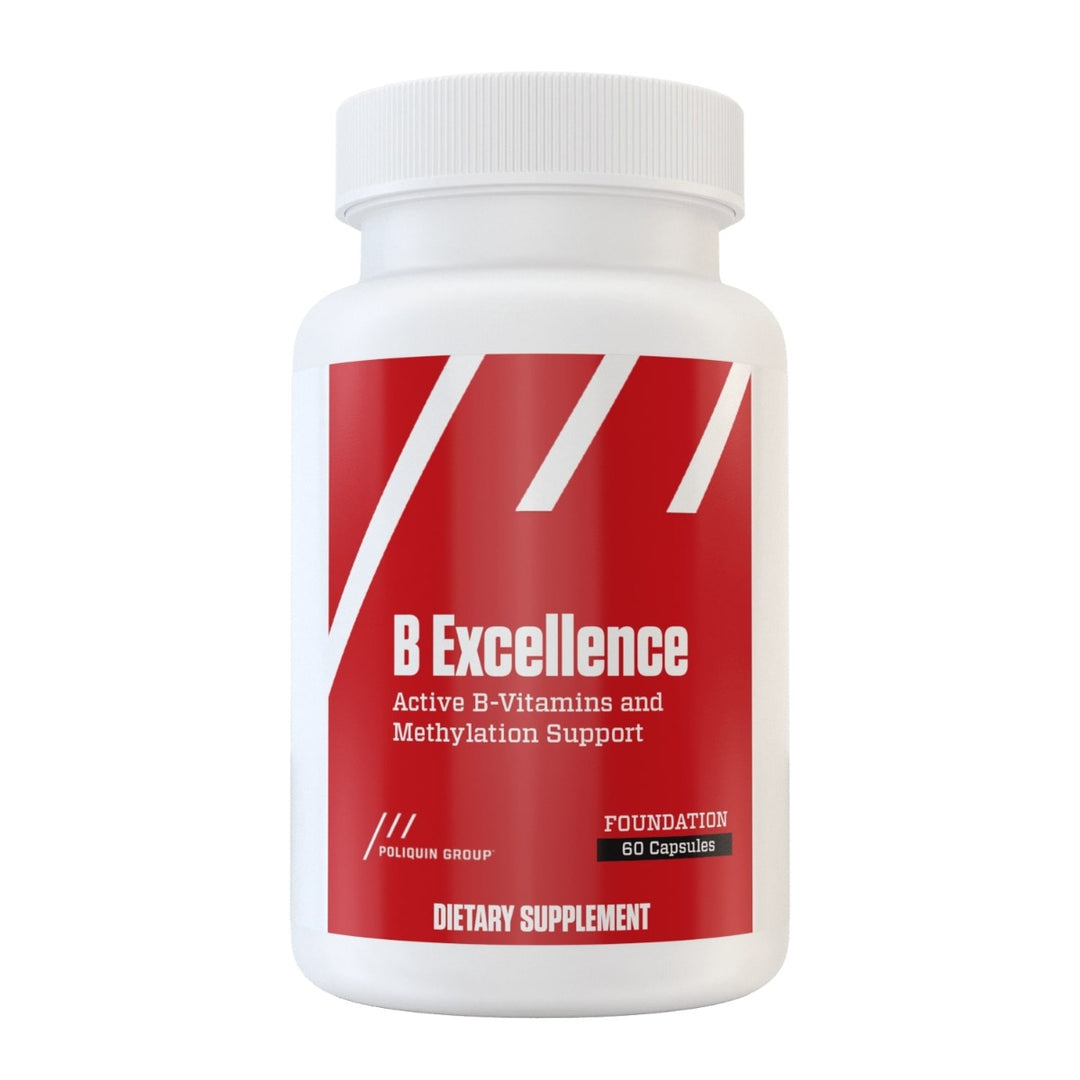
Less mental stress and anxiety equals less cortisol release. Combined with fewer inflammatory biomarkers in the system, the probiotic group’s cortisol was significantly lower than a placebo control group. Take away from these studies that the systems in the body are all interconnected—gut flora affects neurotransmitters and your mood, thereby having an influence on cortisol, insulin, and body composition. A probiotic supplement such as my
ProFlora Excellence DF Caps is the answer.
Reference
:
Messaoudi, M., Lalonde, R., et al. Assessment of Psychotropic-Like Properties of a Probiotic Formulation (Lactobacillus Helveticus R0052 and Bifidobacterium longum R0175 in Rats and Human Subjects. British Journal of Nutrition. 2011. 105, 755-764.
Penha, L., Pardo, P., et al. Effects of Probiotic Supplementation on Liveweight Gain and Serum Cortisol Concentration in Cattle. Veterinary Record. May 2011. 168(20), 538. Published Ahead of Print.
Sohail, M., Liaz, A., et al. Alleviation of Cyclic Heat Stress in Broilers by Dietary Supplementation of Mannan-Oligossaccharide and Lactobacillus-Based Probiotic: Dynamics of Cortisol, Thyroid hormones, Cholesterol, C-Reactive Protein, and Humoral Immunity. Poultry Science. September 2010. 89(9), 1934-1938.
Kadooka, Y., Sato, M., et al. Regulation of Abdominal Adiposity by Probiotics (Lactobacillus Gasseri SBT2055) in Adults with Obese Tendencies in a Randomized Controlled Trial. European Journal of Clinical Nutrition. 2010. 64, 636-643.
Chen, J., Wang, R., et al. Bifidobacterium Adolescentis Supplementation Ameliorates Visceral Fat Accumulation and Insulin Sensitivity in an Experimental Model of the Metabolic Syndrome. British Journal of Nutrition. September 2011. 14, 1-6.
Copyright ©2011