



Blog

Poliquin Live

Tip 531: Get Stronger If You Want To Run Faster & Jump Higher: Tips For a Stronger Squat

Wednesday, February 06, 2013 6:04 AM
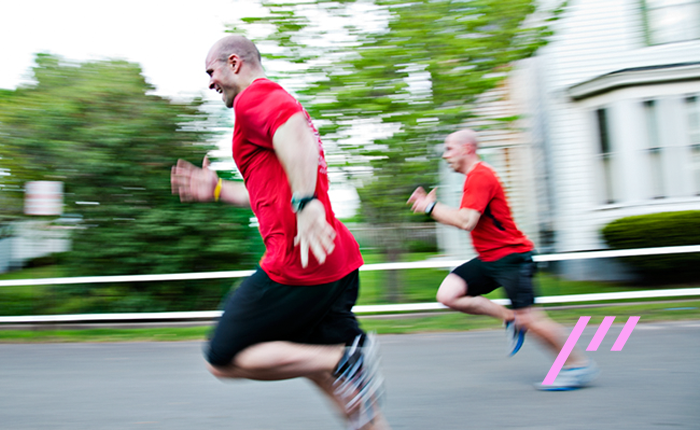
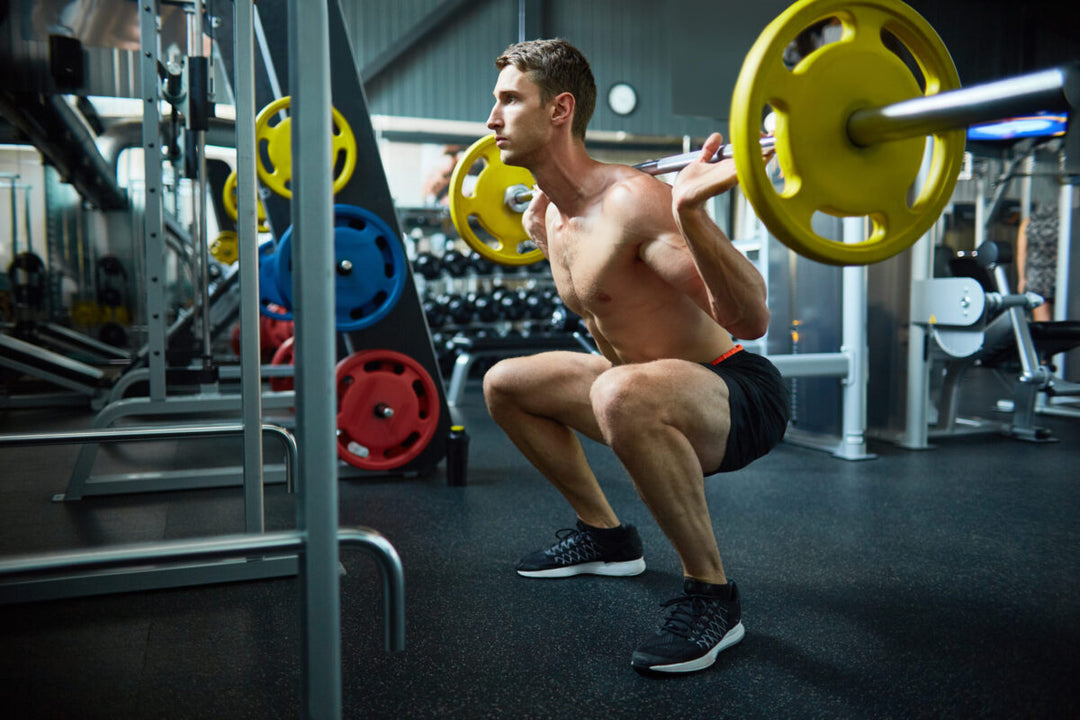
Get stronger if you want to run faster or jump higher. Repeatedly, research shows that stronger athletes are faster, and that by doing heavy load lower body strength training you can increase your speed.

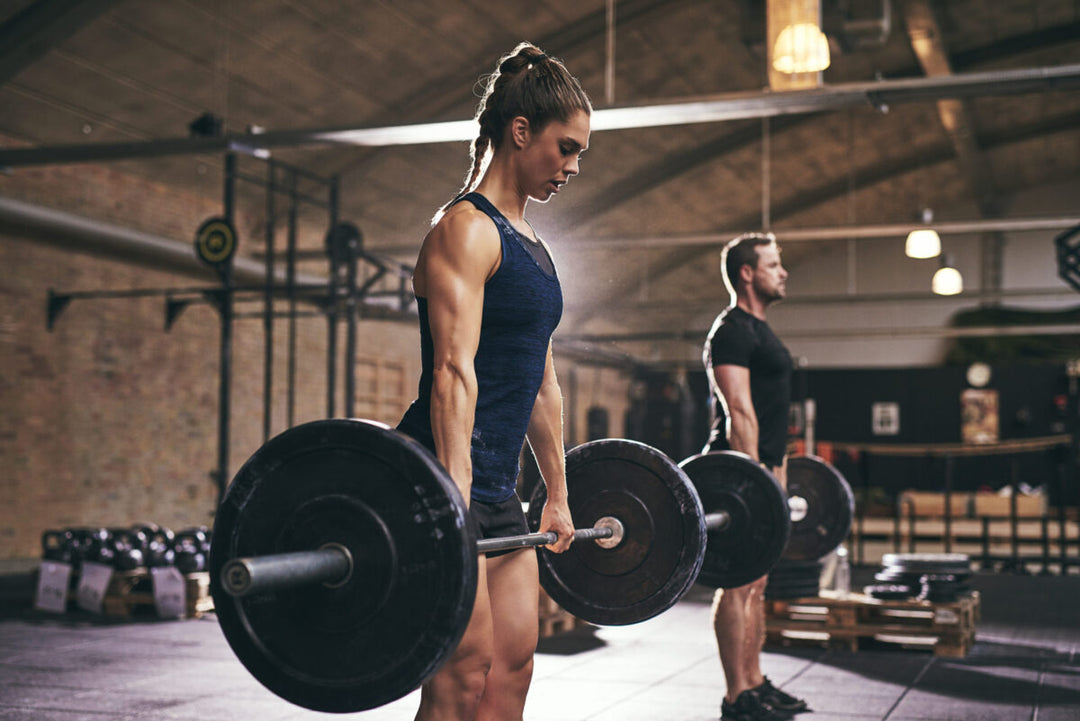
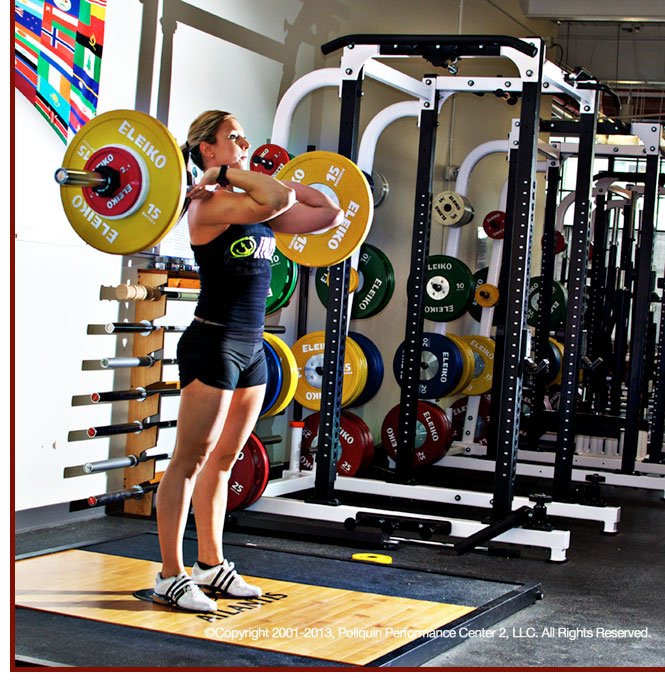
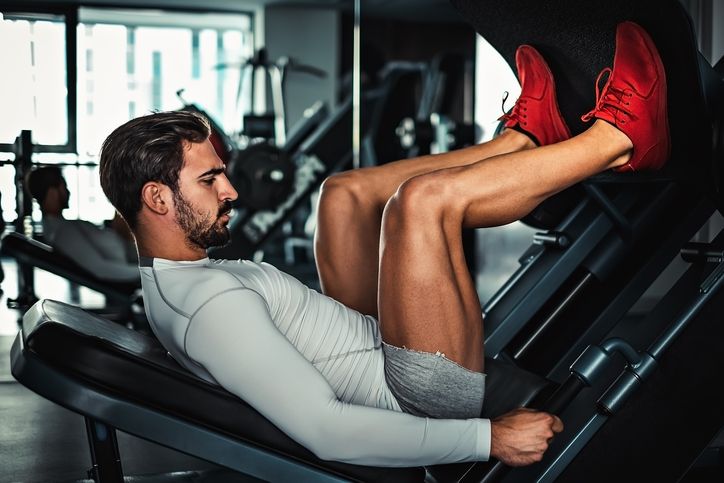
First, be aware that the strongest correlations with speed occur when strength is assessed during free-weight squats rather than Smith machine or hack squats. Second, having greater strength means you will be able to apply greater force into the ground on each step and accelerate more quickly. Third, although there’s a time and place for plyometric and sprint training and both can aid in improving speed and jump height, heavy load strength training is the priority and will pretty much always yield greater performance gains than exclusive power-style training.

A recent study that used professional rugby players shows the benefit of maximal strength training for speed and vertical jump. These were well trained athletes, who, after engaging in an 8-week periodized maximal strength program that used loads between 85 and 95 percent of the 1RM, increased their maximal squat by 30 kg! The average 1RM squat increased from 170 kg to 200 kg, and the players relative squat strength increased to more than 2 times body weight.

In addition, the players improved body composition by gaining 1.5 kg of muscle, and increasing sprint speed by an average of 6 to 7.6 percent over short distances up to 20 meters. This study didn’t test vertical jump, but the researchers mention that a previous study of soccer players using a similar heavy strength program led to an average increase in vertical jump of 8 percent. Two other studies using field athletes produced similar gains in jump height.

This study should catch your attention and reinforce the value of getting strong for all populations, but especially athletes. Eight short weeks of hard training led to 30 kg gains in lower body strength in a population with significant experience training and competing at an elite level. The benefit wasn’t just being able to put more plates on the bar either—the strength increases led to compelling speed gains as well.

Best results will come from the following training practices:

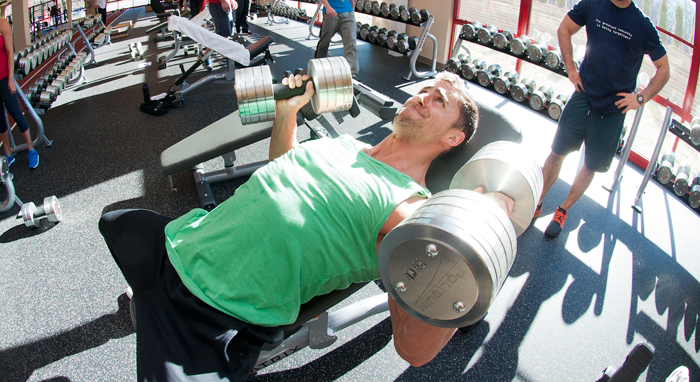
•    Use full-range of motion training for the greatest gains in strength. This study used full-range squats. It’s reasonable to suggest that full-range bench presses, chin-ups, and bent-over rows along with other upper body lifts will let you increase upper body strength and power as well.

•    Use free weights rather than machines to gain maximal strength.

•    Count tempo of all lifts so that you apply the appropriate time under tension (TUT) to elicit the outcome you desire. In general, a shorter total TUT equals greater strength, whereas a longer total TUT will be more focused on eliciting metabolic and hypertrophic adaptations.

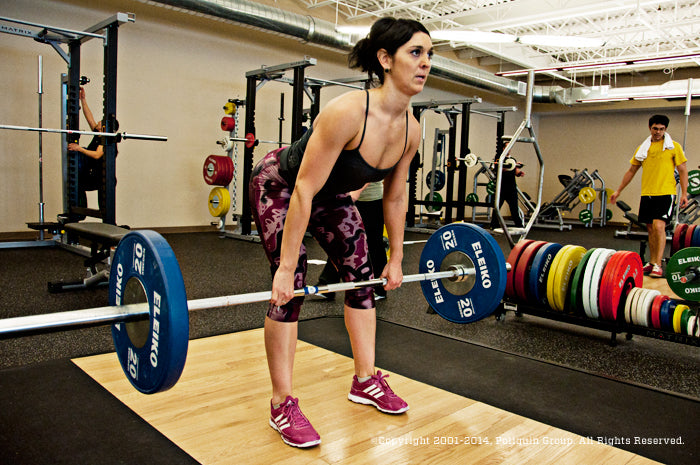
•    Be sure to train the antagonist muscle groups as well as stabilizers in order to promote structural balance. The rugby study favored training the posterior chain with Romanian deadlifts, hamstring curls, in addition to the back squat.

References
Comfort, P., Haigh, A., et al. Are Changes in Maximal squat Strength During Preseason Training Reflected in Changes in Sprint Performance in Rugby League Players. Journal of Strength and Conditioning Research. 2012. 26(3), 772-776.
 

Copyright ©2013

Join Our Email List Follow us on Twitter Follow us on Facebook Follow us on YouTube Follow us on Flickr Follow us on Instagram