

Blog

Poliquin Live

Tip 396: Train With The Optimal Load To Increase Power and Performance

Friday, July 20, 2012 5:45 AM
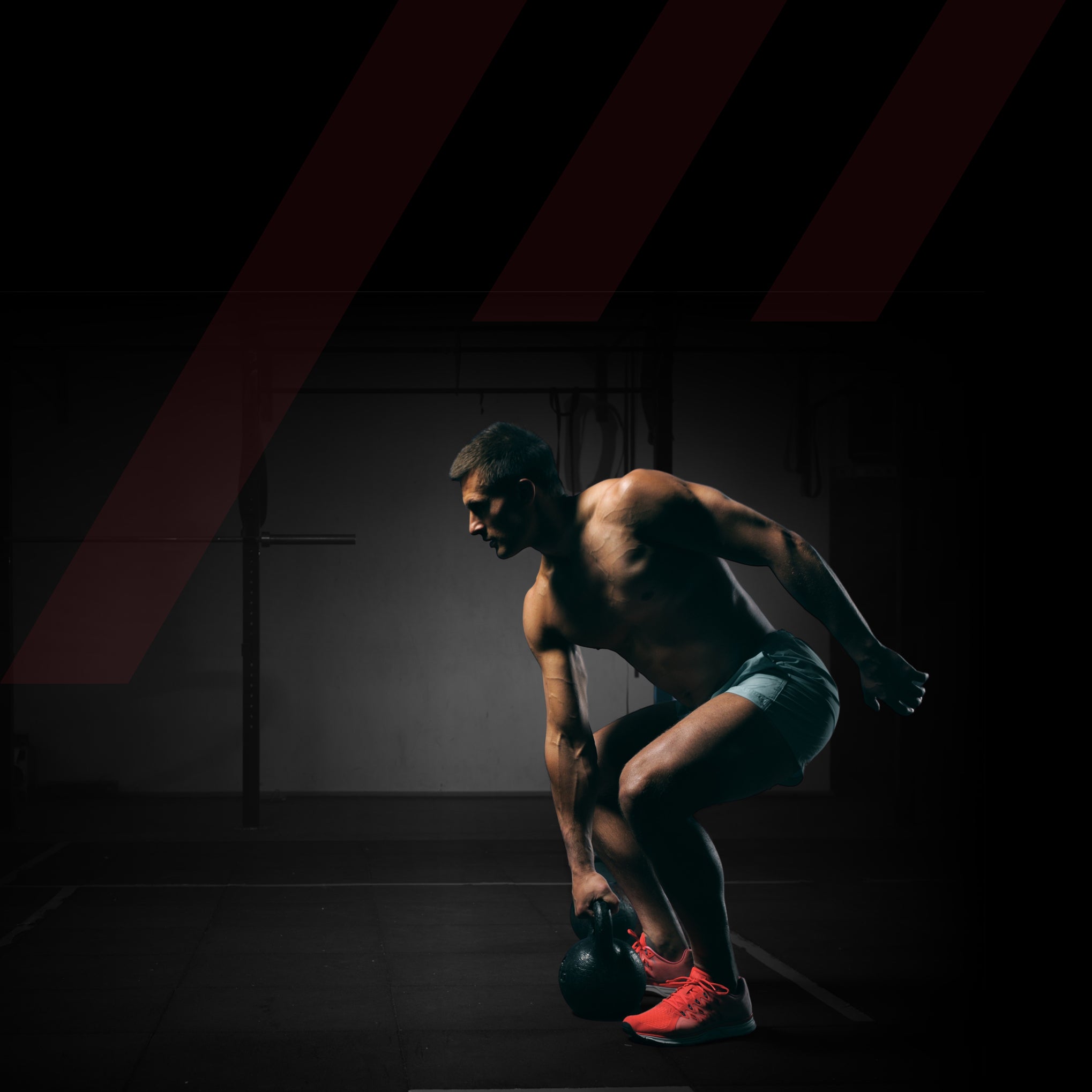
Train with the optimal load to increase power and improve your performance on the sports field and in the gym. Power is the combination of strength and speed, and it varies based on the load you are lifting. There is an optimal load with which maximal power is produced and we know that it ranges from 0 to 60 percent of the 1RM depending on the movement task.

For example, the optimum load to produce peak power in the bench press is between 30 and 60 percent of the 1RM. For the Olympic lifts, it is approximately one-third of the maximum strength for that lift, whereas for the cycling tests such as the Wingate test, the optimal load is within 5 to 10 percent of body weight.

Not only does the optimal load vary by exercise, but it appears that it is different based on training history and experience. A new study in the European Journal of Applied Physiology used four groups with different training experience and measured power output at a variety of loads in the Wingate cycling test. The study participants were a Strength group of professional bodybuilders, a Speed group of elite karate competitors, an Active group involved in recreational sports, and a Sedentary group. All participants were relatively fit with body fat percent ranging from 4.7 percent in the Strength group to 11.9 percent in the Sedentary group. Each group was tested for maximal power output at eight loads ranging from 5 to 12 percent of body weight.

Results showed that the Strength group produced the greatest amount of power at all loads followed by the Speed group, then the Active group, with the Sedentary group producing the least.  The Strength group produced peak power at 9 percent of bodyweight, whereas the Sedentary group achieved peak power at 7 percent.

Although the results only varied by a few percentage points, the study highlights the effect of different levels of strength and neuromuscular training on the classical force-velocity relationship of the muscles. Stronger individuals with greater training age require higher external loads relative to body weight to reach the speed of shortening that maximizes power.

The findings also reinforce the importance of structural balance in strength and speed. If you are too slow for your strength, power will be compromised, whereas if you are weak but fast, you must gain strength for optimal performance.

For example, in Olympic weightlifting, an athlete may lift the bar to an appropriate height to complete the lift, but will be unsuccessful due to a lack of movement velocity. Of course, you must program your training with care because if strength levels rise and speed diminishes too much, power will be compromised.

In applying this to work with clients and athletes, you need to identify ratios of strength between the muscles, and consider how previous training or lack of it will influence power. For example, say you have a client who has been doing lots of endurance running but wants to become more powerful to be able to jump higher to play recreational basketball. You will need to account for the fact that their running is training them to be slow and have compromised power. Perhaps more applicable to the readership, if you have a lifter who can power clean nearly as much as they can back squat, they need to increase squat strength in their training because they are weak for their speed.

To read more about training for power and to see how these ideas are applied in a training program, read Power and the Olympic Lifts.

Reference
Pazin, N., Bozic, P., et al. Optimum Loading for Maximizing Muscle Power Output: the Effect of Training History. European Journal of Applied Physiology. 2011. 111, 2123-2130.
 

Copyright ©2012

Join Our Email List Follow us on Twitter Follow us on Facebook Follow us on YouTube Follow us on Flickr Follow us on Instagram