Blog

Poliquin Live

Tip 284: Prevent Overtraining and Poor Performance: Monitor Mood and Hormones

Feb 17


2/17/2012 9:02 AM  RssIcon

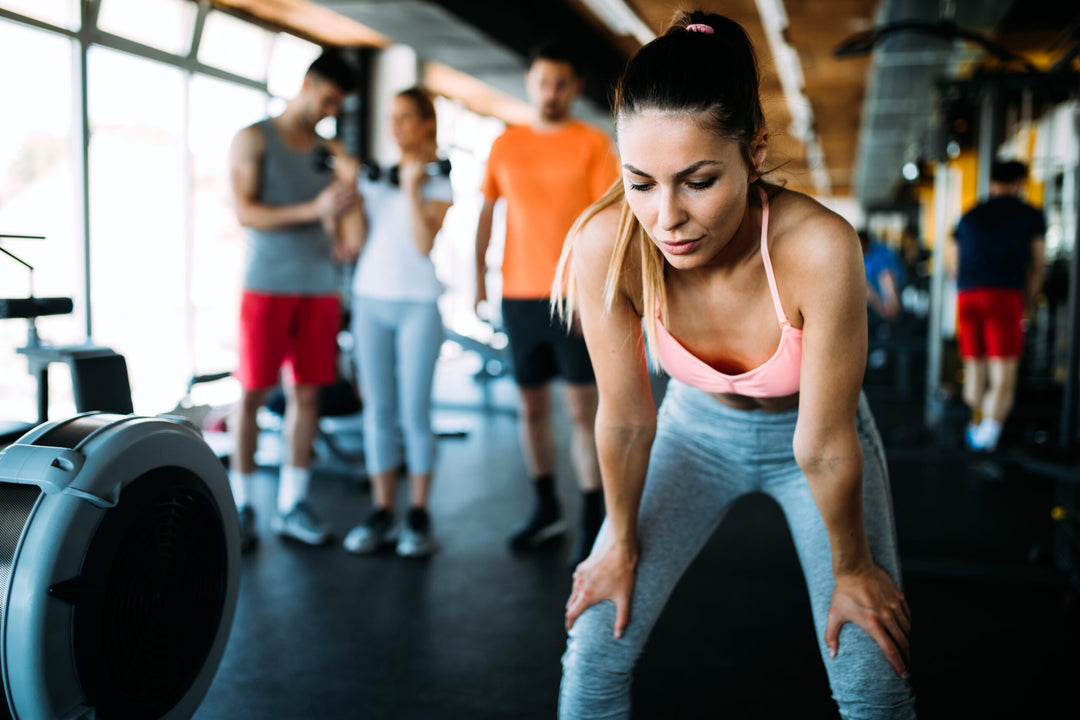
Prevent overtraining and poor performance by monitoring mood and hormone levels. Overtraining is a dangerous effect of extreme training to make gains, whether in strength or endurance sports. There’s a fine line between working hard with a commitment to be the best you can be and too much training with not enough rest. Overtraining occurs when athletes train so hard and for so long without sufficient rest that the body is no longer able to adapt and restore homeostasis. Performance is compromised, mood drops, and the body’s ability to produce hormones is altered.

A new study in the British Journal of Sports Medicine provides additional insight into overtraining and clarifies the difference between too much training and overreaching, which can actually improve performance and induce greater training gains. Overreaching is considered ”functional” overtraining in that it only lasts a few days or weeks and is then followed by ample rest to allow the athlete to recover and the body to restore homeostasis and get stronger. 

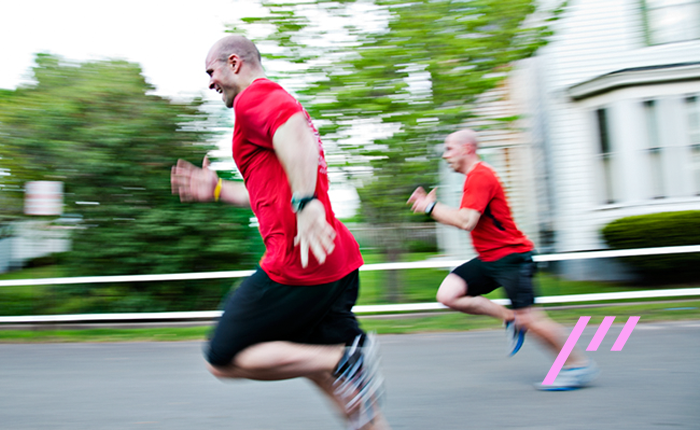
This new evidence studied elite junior soccer players over a two-year period and tested them for overtraining as measured by a minimum of a 1-month performance decrease in an interval shuttle run test. Over the two years, 7 players out of 21 demonstrated overtraining with gradually poorer performance on the test. They also had an elevated heart rate following the shuttle run that increased by an average of 6 percent. There were 14 players who did not demonstrate overtraining or have an increase in heart rate over the study period and they were classified as a control group.

Results showed that the “overtrained” players had altered hormone levels at rest and after training and scored significantly higher on anger, depression, and tension on a mood profile test. They had extremely low resting growth hormone (GH) levels, which means the anabolic environment in the body is impaired. It also indicates worsening physical fitness from training since GH increases when physical fitness is improving. Post-exercise GH levels were lower as well but this was not statistically significant.

Cortisol (the stress hormone) was reduced at rest and after training in the overtrained players, and there was evidence of a decreased sensitivity to a hormone called ACTH, which indicates that adrenal function is impaired. The post-exercise ACTH response was 43 percent lower than in controls, indicating that the adrenal gland is chronically fatigued. This occurs when the body is under too much physical stress for too long and it must continually produce excess cortisol, ultimately exhausting the adrenals and resulting in blunted levels of cortisol and ACTH along with an electrolyte imbalance.

Take away from this study the understanding that there is a difference between overreaching and overtraining, and that aerobic athletes, including soccer players, are at greater risk than strength athletes, but it can affect both. Monitor for overtraining by doing regular performance measurements that are related to your sport or training style and pay attention to training heart rate. Poor mood, feelings of anger and tension, and chronic exhaustion, especially in the morning when cortisol should be elevated, are easy markers to pay attention to. Additionally, a hormonal test for GH at rest and ACTH after exercise can provide a more definitive diagnosis for overtraining. If you’re a coach, these measurements can be used to convince an overtrained athlete that they need to rest and recover rather than training harder to counter drops in performance.

Be aware that one way to prevent overtraining but provide a powerful stimulus to the body to force adaptation is to feed the body with key nutrients that are known to help prevent overtraining. Supplementing with adequate carbohydrates and the vitamin C and E (both potent antioxidants) can help endurance athletes replenish glycogen and avoid overtraining. Strength athletes should take glutamine, branched-chain amino acids, and extra whole foods protein to further adaptations and anabolic hormone response.

Reference:

Schmikli, S., de Vries, W., et al. Monitoring Performance, Pituitary-Adrenal Hormones and Mood Profiles: How to Diagnose Non-Functional Over-Reaching in Male Elite Junior Soccer Players. British Journal of Sports Medicine. 2012. Published Ahead of Print.
 

Copyright ©2012


< Back to Blog
Tags:

Your name:
Gravatar Preview
Your email:
Your website:
Title:
Comment:
Security Code
Enter the code shown above in the box below
Add Comment   Cancel 
Join Our Email List Follow us on Twitter Follow us on Facebook Follow us on YouTube