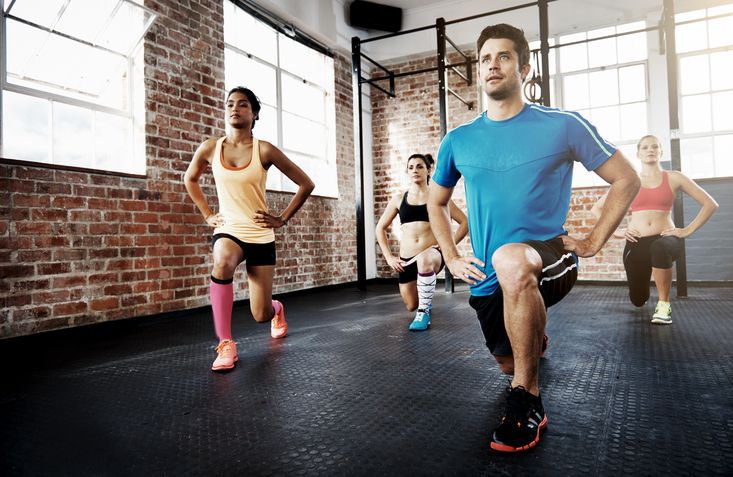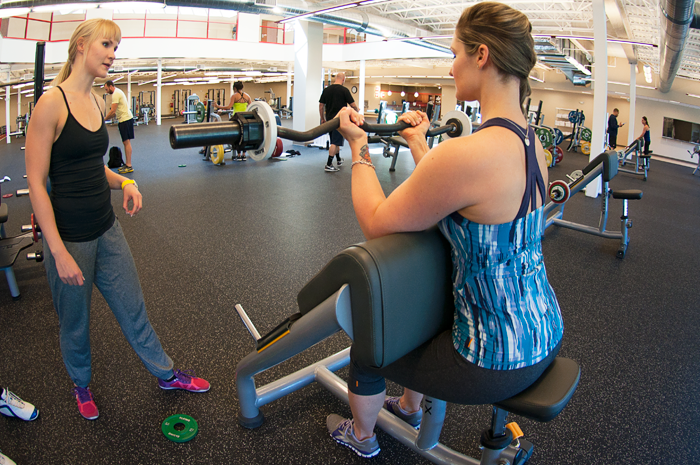
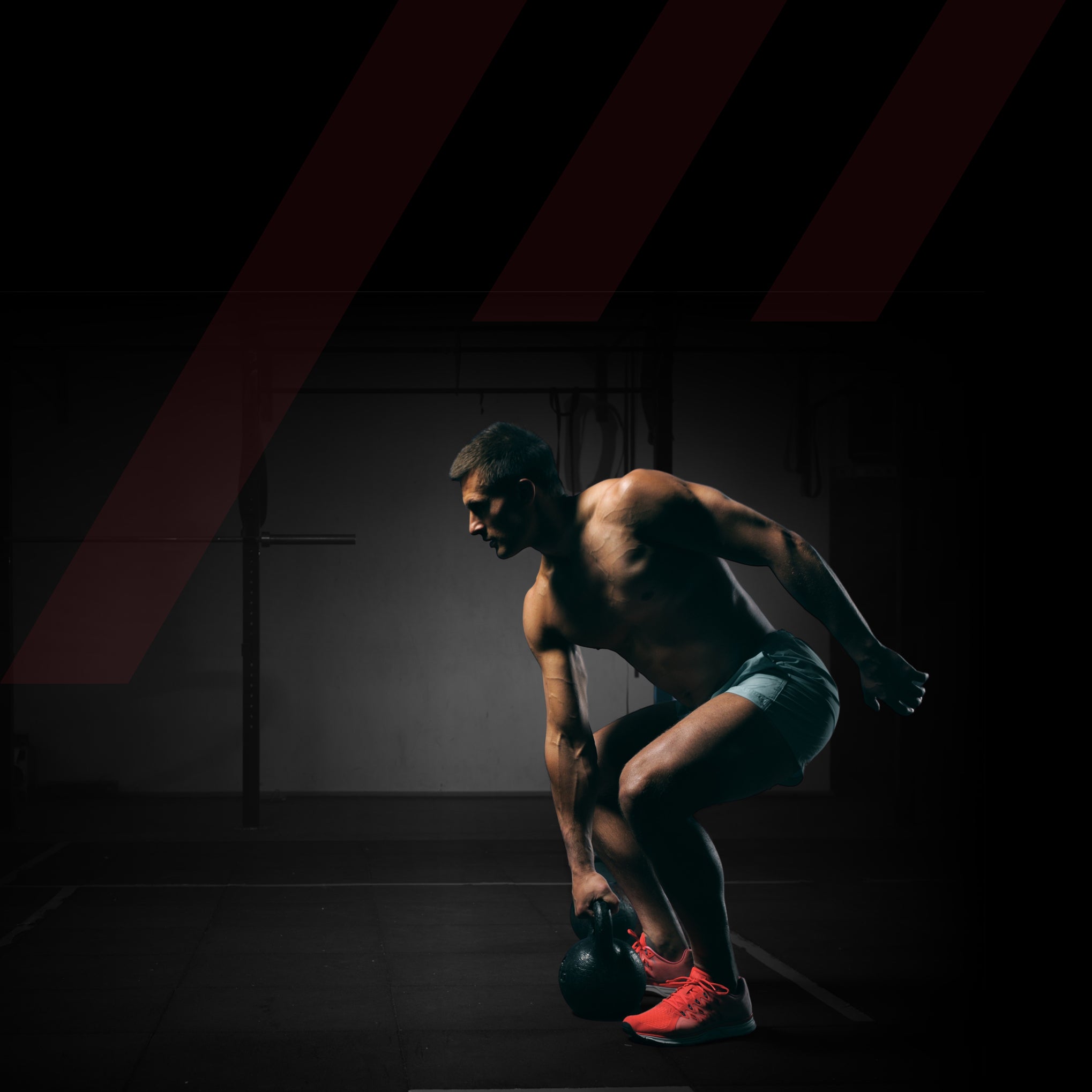

It’s critical to include single-limb exercises in your program to correct structural imbalances and provide variation to your program. Athletes and recreational trainees alike will benefit from unilateral training to facilitate balance between the left and right side of the body, and between the agonist/antagonist muscle pairs.
Structural imbalances between limbs are common in individuals who play a sport where one side of the body is dominant or an implement is held such as tennis, golf, fencing, or speed skating. Imbalances increase the risk of injury and can lead to improper motor patterns, meaning that for optimal performance, health, and longevity, your training program should include structural balancing exercises. Plus, unilateral lower body training in addition to regular bilateral training has been shown to result in faster short sprint times, even in elite sprinters.
Research shows that single limb training (single leg squats, single side dumbbell chest press, single side cable low row to name a few) is effective at improving strength unilaterally but not bilaterally, meaning it needs to be done in addition to other bilateral training to trigger an anabolic response. A recent study comparing unilateral and bilateral training had participants complete a workout of 150 total reps (five exercises for three sets of ten) at 80 percent of the 1RM. There was no significant testosterone increase. Growth hormone did increase and the bilateral training group had a significantly greater GH response. Insulin increased equally for both groups.
Take note that to optimize the potent anabolic effects of insulin, amino acids must be ingested as part of your pre-workout nutrition. Interestingly, cortisol levels didn’t increase significantly post-training for either protocol, and were lower after training for the unilateral group than before the workout.
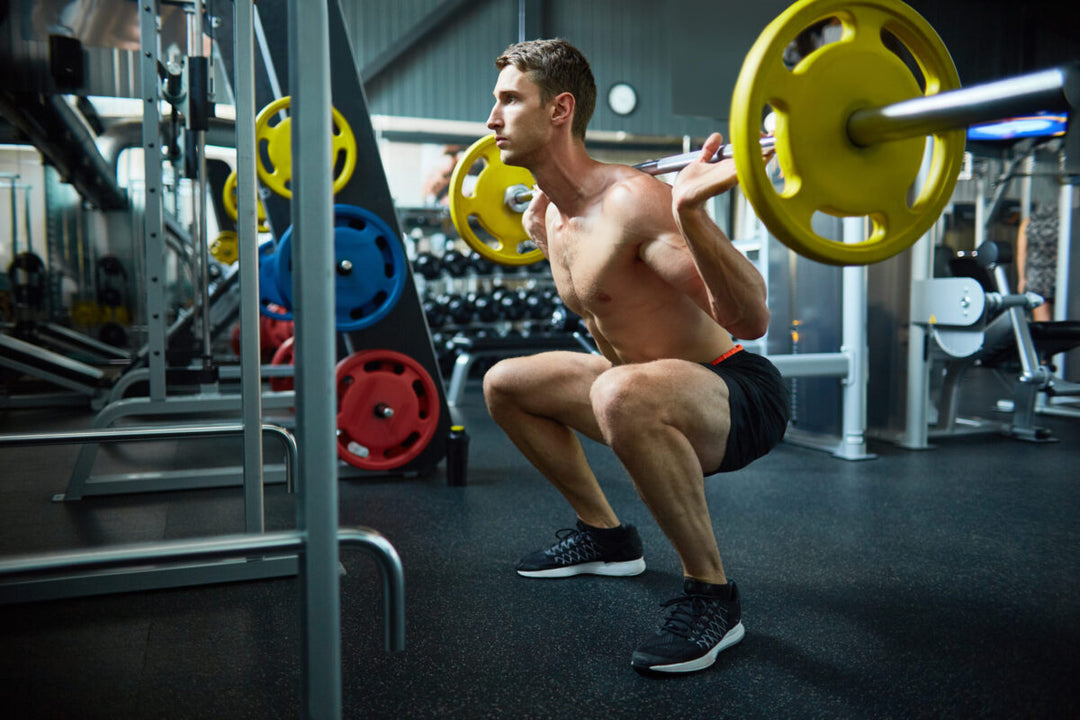
You don’t have to miss out on an ideal endocrine response with unilateral training. On the day you include unilateral training, start with large muscle mass exercises to stimulate testosterone—lower body exercises such as squats, power cleans, and dead lifts are recommended at a high percentage of the 1 RM, with a high total volume. This strategic programming should dramatically increase hormone secretion once unilateral or smaller muscle mass exercises are started.
Migiano, M., Vingren, J., Volek, J., Maresh, C., Fragala, M., Ho, J., Thomas, G., Hatfield, D., Hakkinen, K., Ahtiainen, J., Earp, J., Kraemer, W. Endocrine Response Patterns to Acute Unilateral and Bilateral Resistance Exercise in Men. Journal of Strength and Conditioning Research. 2010. 24(8), 128-134.
Uchida, M., Crewther, B., Ugrinowitsch, C., Bacurau, R., Morisot, A., Aoki, M. hormonal Responses to Different Resistance Exercise Schemes of Similar Total Volume. Journal of Strength and Conditioning Research. 2009. 23(7). 2003-2008.
Copyright ©2011