Blog

Poliquin Live

Build A Better Beach Body: Five More Tips To Stay Lean for the Summer - Part Two

Jun 29


6/29/2011 11:00 AM  RssIcon

 
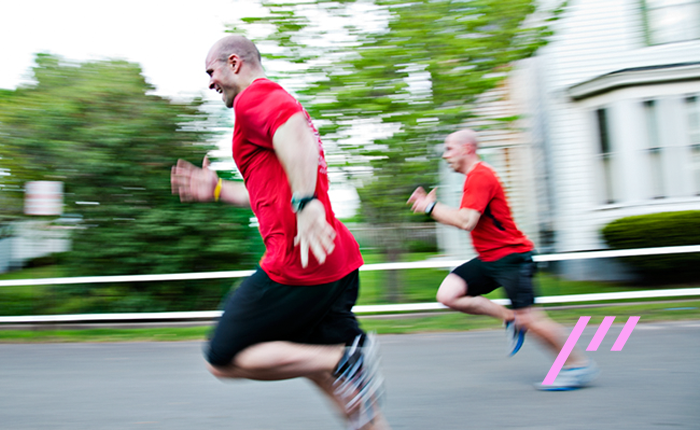
1.    Add a Conditioning Program to Your Workout: All-Out Sprints to Get Lean
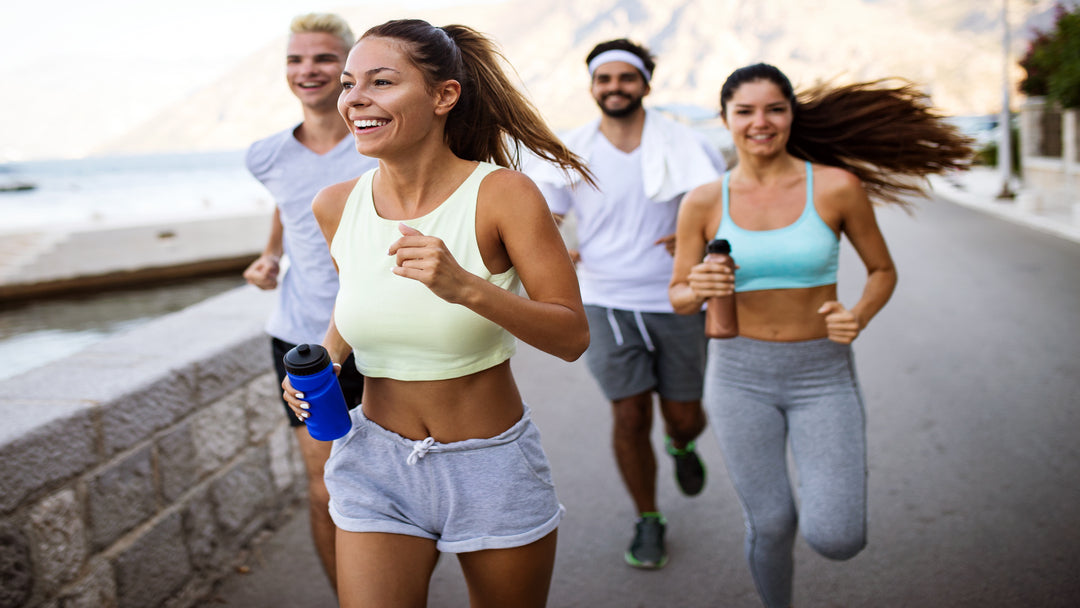
Perform a high-intensity interval workout a few times a week for optimal body composition. Research shows that brief sprinting at a high intensity is an excellent way to lose fat, improve oxygen uptake or general conditioning, and gain lean mass. 

There are a variety of interval sprint protocols and exercise modes (cycling, stair running, sprinting) that have proven to be effective for significant fat loss (as much 16 pounds in two months), and this is without an additional resistance training program or diet modification. Sprint training is good for getting lean because it results in elevated hormone levels and increases fat oxidation after exercise. Even better, the greatest percentage of fat loss comes from the trunk and abdominal area, and sprint training lowers insulin resistance, and suppresses appetite.

The one possible drawback to sprint training is that it is mentally challenging to push through an all-out workout even if it is short. There is an upside: research shows that near-maximal intensity sprints (greater than 90 percent of max oxygen uptake) can be completed in 10 to 20 minutes depending on the number of sprints and interval lengths.

Effective workout protocols include 6 sets of 30 seconds with 4 minutes of recovery, or 60 sets of 8 seconds with 12 seconds of recovery (yes, that is 60 sets, but you complete 3 sets a minute and the whole workout is done in 20 minutes). More moderate intensities for longer intervals have also shown to be effective, but the research data of fat loss is not as dramatic. For a moderate-intensity protocol check out Getting Maximal Results Part II.

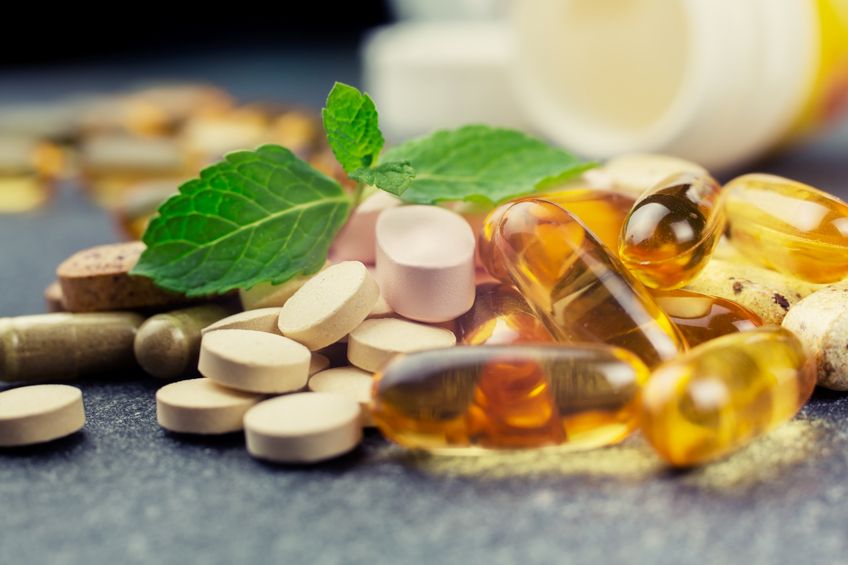
2.    Take Fish Oil: Fat Loss with 4 g/Day of 1600 mg EPA and 800 mg DHA

Fish oil is made up of omega-3 and -6 fatty acids—that’s right fish oil is composed of fat and it’s great for fat loss! 

Studies show that supplementing with fish oil significantly increases lean mass while decreasing body fat. Additionally, fish oil improves the body’s testosterone-to-cortisol ratio by decreasing cortisol levels. It also enhances protein synthesis and triggers the lipolytic (fat burning) and lipogenic (fat storing) genes, while increasing the clearance of fats following a meal.

Take fish oil with your meals to maximize the body’s utilization and reduce the chance that it will get oxidized as energy. I have previously recommended taking 30 g a day—read more here—but the studies cited used 4 grams of fish oil per day.

3.    Take L-Carnitine: Lose Fat and Recover Quicker
Carnitine plays a major role in lipid oxidation, or fat burning, and it also decreases lactate accumulation, meaning you’ll recover quicker by adding it to your supplement protocol.

A new study of experienced athletes who trained at 80 percent of maximal intensity found that taking 2 g twice a day of carnitine with 80 g of carbs resulted in a 35 percent increase in work output over a control group. Subjects also experienced a positive effect on perception of effort (subjects did not feel that they were working as hard), and had less muscle lactate accumulation after exercise.

Lactate buildup inhibits performance, meaning that greater clearance rates lead to improved recovery and the ability to perform at higher levels for a longer time. Training harder can result in improved performance, allowing you to get lean faster.

4.    Sleep: Get Enough!
Lack of sleep can make you fat. Research shows that people who sleep less tend to have a higher body mass index, and that sleep deprivation increases both insulin and cortisol levels. The pair result in fat gain, particularly in the abdominal area, and higher insulin levels can cause insulin resistance and diabetes. Cortisol activates enzymes that store fat in the body, while elevated insulin levels suppress lipid mobilization, which impedes fat loss.

The elevated cortisol levels that go with sleep deprivation can easily cause a problem that spirals out of control since cortisol will keep you from relaxing and falling asleep. To counter this dangerous cortisol cycle, try taking my Serenity 2.0 before bed to reduce stress, anxiety, and sleeplessness. For additional sleep enhancing strategies check out the Top 10 Tips on Increasing Sleep Quantity and Quality.

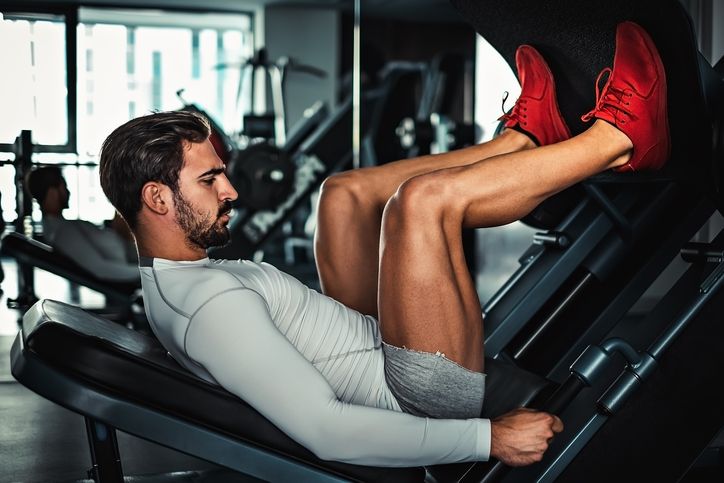
5.    Work With A Trainer: Try the German Body Comp Program
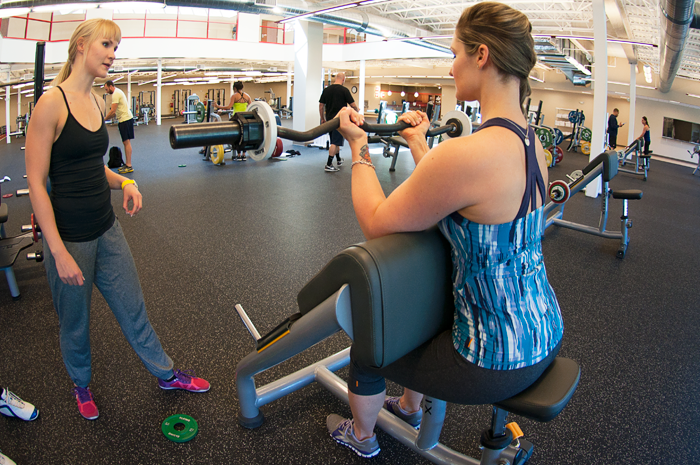
First off, research shows that when you work out with a personal trainer you will lift heavier loads, have greater strength gains, and be more satisfied with your training program and physique. In fact, both experienced and novice individuals train at a higher percentage of their one-repetition maximum when a trainer selects their weights than if they pick their training loads themselves.

Second, the German Body Comp Program (GBC) can do wonders if you want to get lean and build muscle because it progressively overloads the body by training at the lactate threshold. This program is based on research by a Romanian exercise scientist, Hala Rambie, who found that training that results in high blood lactate levels decreases blood pH, which leads to increased production of growth hormone. And raising growth hormone levels is a highly effective strategy for triggering fat loss (see #5).

The GBC program is characterized by short rest intervals and multi-joint movements to generate maximum growth-hormone production. How effective is the GBC program? I’ve seen men gain 12 to 18 pounds of muscle within 12 weeks while losing fat, and it’s not uncommon for women to lose seven percent body fat in the same time period.

By putting together a workout program that is this effective with the supervision and motivation that comes from working with a trainer or coach, you’ll be on track to have your best-looking summer yet.

Read German Body Comp for Athletes to learn more, or find a PICP trainer to try the German Body Comp program and get lean.


References:
#1: Trapp, E.G., Chisholm, D.J., Freund, J., Boutcher, S.H. The Effects of High-Intensity Intermittent Exercise Training on Fat Loss and Fasting Insulin Levels of Young Women. International Journal of Obesity. 2008. 32(4), 684-691.

Gibala, M.J., McGee, S.L. Metabolic Adaptations to Short-Term High-Intensity Interval Training: A Little Pain for a Lot of Gain? Exercise and Sport Sciences Reviews. 2008. 36(2), 58-63.

Boutcher, Stephen. High-Intensity Intermittent Exercise and Fat Loss. Journal of Obesity. 2011.

#2: Noreen, E., Sass, M., Crowe, M., Pabon, V., Branauer, J., Averill, L. Effects of Supplemental Fish Oil on Resting Metabolic Rate, Body Composition, and Salivary Cortisol in Healthy Adults. Journal of the International Society of Sports Nutrition. 2010. 7(31).

Smith, G., Atherton, P., Reeds, D., Mohammed, B., Rankin, D., Rennie, M., Mittendorfer, B. Dietary Omega-3 Fatty Acid Supplementation Increases the Rate of Muscle Protein Synthesis in Older Adults: a Randomized Controlled Trial. American Journal of Clinical Nutrition. 2010. 93(2), 402-412.

#3: Wall, B., Stephens, F., Constantin-Teodosiu, D., Marmuthu, K., Macdonald, I., Greenhaff, P. Chronic Oral Ingestion of L-Carnitine and Carbohydrate Increases Muscle Carnitine Content and Alters Muscle Fuel Metabolism During Exercise in Humans. The Journal of Physiology. 2011. 589, 963-973.

#4:  Boutcher, S.H., Dunn, S.L. Factors that May Impede the Weight Loss Response to Exercise-Based Interventions. Obesity Reviews. 2009. 10(6), 671-680. 

Taheri, S., Lin, L., Austin, D., Young, T., Mignot, E. Short Sleep Duration is Associated with Reduced Leptin, Elevated Ghrelin, and Increased Body Mass Index. PloS Medicine. 2004. 1e62.

Gangwisch, J.E., Malaspina, D., Boden-Albala, B., Heymsfield, S.B. Inadequate Sleep as a Risk Factor for Obesity: Analyses of the NHANES I. Sleep. 2005. 28, 1289–1296.


#5: Ratamess, N., Faigenbaum, A., Hoffman, J., Kang, J. Self-selected Resistance Training Intensity in Healthy Women: The Influence of a Personal Trainer. Journal of Strength and Conditioning Research. 2008. 22(1), 103-111.


Mazzetti, S., Kraemer, W., Volek, J., Duncan, N., Ratamess, N., Gomez, A., Newton, R., Hakkinen, K., Fleck, S. The Influence of Direct Supervision of Resistance Training on Strength Performance. Medicine and Science in Sport and Exercise. 2000. 32(6), 1175-1184).


McClaran, Steven. The Effectiveness of Personal Training on Changing Attitudes Towards Physical Activity. Journal of Sports Science and Medicine. 2003. 2, 10-14. 


Copyright ©2011


< Back to Blog
Tags:

Your name:
Gravatar Preview
Your email:
Your website:
Title:
Comment:
Security Code
Enter the code shown above in the box below
Add Comment   Cancel 
Join Our Email List Follow us on Twitter Follow us on Facebook Follow us on YouTube