
I often get e-mails on my opinion on salt. There are a lot of readers that are confused out there. No wonder they are, some say that salt is a plague to be avoided, and some say we need more.
Here are some points to consider:
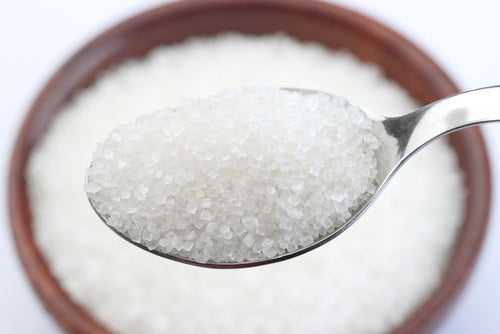
1. Modern salt is like sugar and most oils consumed: a very refined product very far from its original form, hence its toxicity.
2. Salt intake has to be individualized. While restricting salt could be good to combat acne, it would be disastrous for someone trying to recover from adrenal fatigue. In certain genotypes, salt can aggravate osteoporosis.
3. The higher protein intake you have, the more salt you need. On every single Comprehensive Metabolic Profile we do, we always find that sodium is low in high protein users.
4. The more cooked you eat, the more salt you need to activate certain intestinal enzymes. That is why traditional Chinese food tends to be salty, as the Chinese eat very little raw food, as lets say the Eskimos who still eat their traditional diet.
5. Salt should have a color. Not that bland white stuff. Salt should be either pink, red, beige or grey. What that means is that it contains trace minerals and has not been highly processed. Now keep in mind that should not cost an arm and leg. It does not need to come from Tibet, be harvested by a blood type AB Buddhist monk who engages his pelvic floor before bending over, 10th out of fourteen children born during a full moon...etc. Good salt is readily available at any health food store. A great brand that I have used for years would be Celtic Sea Salt. That type of salt is about 82% sodium chloride, and 14% other minerals, magnesium being the large portion of it. If you live in Hawaii, Hawaiian Red Sea Salt is a great option. The iodine contained in colored salts in retained in tissue for a long time, as opposed to the refined one from supermarkets.