Blog

Poliquin Live

Tip 527: Get Strong: Tips To Gain Maximal Strength & Improve Performance

Thursday, January 31, 2013 5:58 AM
Being strong can solve a lot of problems, both on the athletic field and in your daily life. For example, it’s a lot easier to get faster and more powerful from training if you already have a strong, balanced body. And being strong is a major bonus when you need to lift heavy stuff in your house or if you find yourself in a tricky physical situation.

Research shows that if you are strong you can get SO much more out of training. This tip will tell you why maximal strength is so critical to performance and how to achieve it.

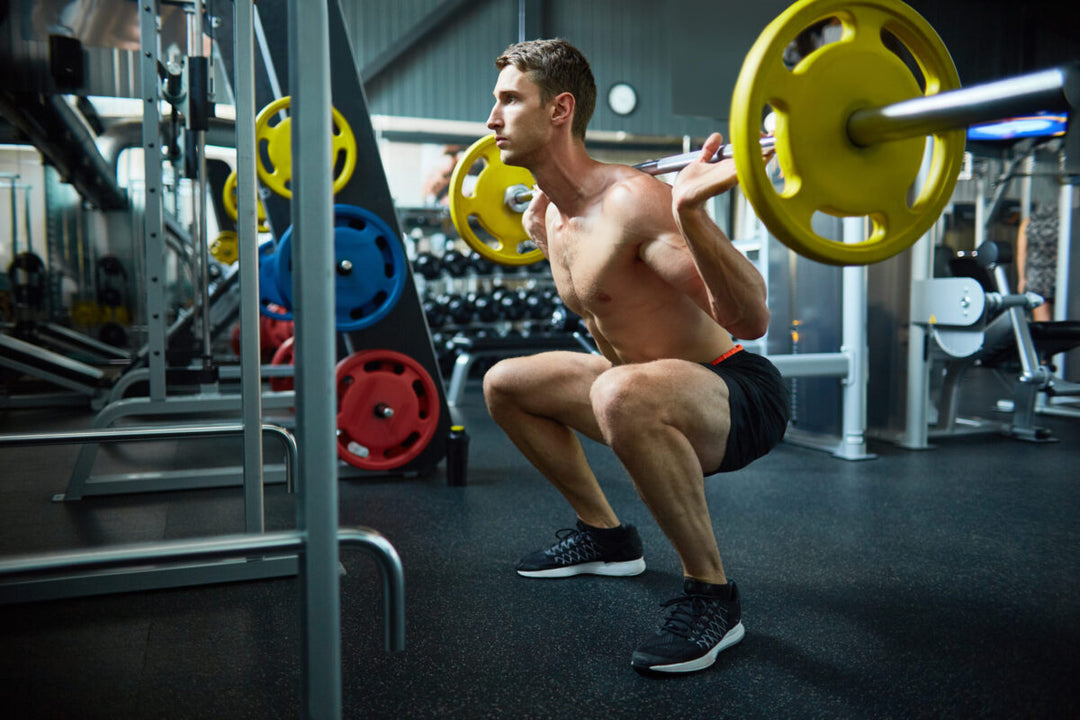
A recent study wanted to find out how important it is to be strong for optimal athletic performance and power output. Researchers divided young men into two training groups based on their strength level: A strong group that had a back squat 1RM that was 2 times body weight, and a weaker group that had a back squat 1RM that was 1.3 times body weight.

After 10 weeks of power training, results showed that the strong group increased power, jump height, and 40-meter sprint speed much more than the weaker group. The stronger athletes experienced a much larger improvement in peak power ability and vertical jump, supporting the idea that for athletic development, it is best to attain a high level of strength prior to training for power.

Researchers think that the stronger athletes are better able to utilize the stretch shortening cycle and tolerate high forces than the weaker group, which led them to experience greater benefits from the training. This shows how being strong is beneficial for more than just lifting really heavy stuff—it leads to a better trained central nervous system, more efficient muscle-tendon activity, and better coordination. The performance outcome is greater speed and power.

To develop your maximal strength, use the following guidelines:

•    You must ensure structural balance between the muscles, otherwise you will put yourself at risk of injury and never reach your maximal strength potential.

For example, make sure the right and left sides of the body are balanced, and that muscles such as the vastus medialis obliquus, the hamstrings, the rotator cuff and shoulder girdle, and scapular retractors have adequate strength.

•    Lift heavy (loads above 85 percent of maximal) for few reps and more sets. Keep the rep range below 6.

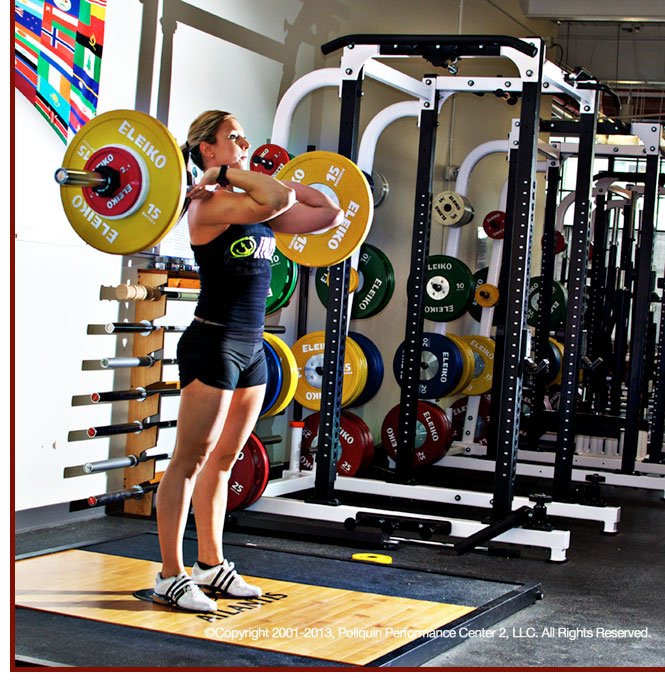
•    An example of an 4-week maximal lower body strength program used by rugby players included the following protocol: back squats, clean pulls, deadlifts, and Nordic curls, all at 85 to 93 percent of the 1RM. The players increased maximal squat strength by 30 kg after training.

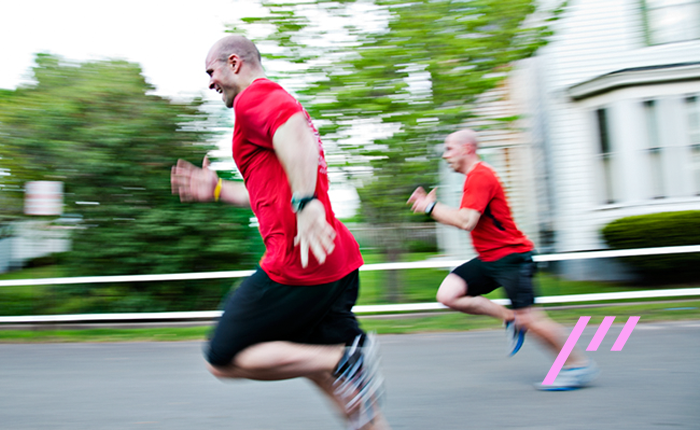
The rugby players then did a 4-week power training program and increased sprint speed by 6 to 8 percent over sprints of 5, 10, and 20 meters. They also increased vertical jump.

•    Strength development is influenced by the anabolic response you create in response to training. For example, research suggests that acute testosterone response to training correlates with maximal strength gains. Equally, free testosterone levels have been found to predict athletic performance in trained athletes.

Emerging research suggests anabolic training response is somewhat individualized, but in general, a large volume, heavy loads, and adequate rest will produce the greatest testosterone response.

•    Recovery nutrition, the clearance of stress hormones like cortisol, and protein feeding will influence strength gains over the long term. This is especially important for athletes who are continually engaged in very intense strength and sport training.

•    Being strong is about continuing to make things harder, not easier, when training. A squat of 2 times body weight is by no means unreasonable, but it is uncommon in the general population—especially a double body weight deep squat.

Reference:
Comfort, P., Haigh, A., et al. Are Changes in Maximal squat Strength During Preseason Training Reflected in Changes in Sprint Performance in Rugby League Players? Journal of Strength and Conditioning Research. 2012. Published Ahead of Print.


Newton, Robert, et al. Combined Strength and Power Training For Optimal Performance Gains: A Biomechanical Approach. 2012. International Conference on Strength Training. Oslo: Norway.
 

Copyright ©2013

Join Our Email List Follow us on Twitter Follow us on Facebook Follow us on YouTube Follow us on Flickr Follow us on Instagram