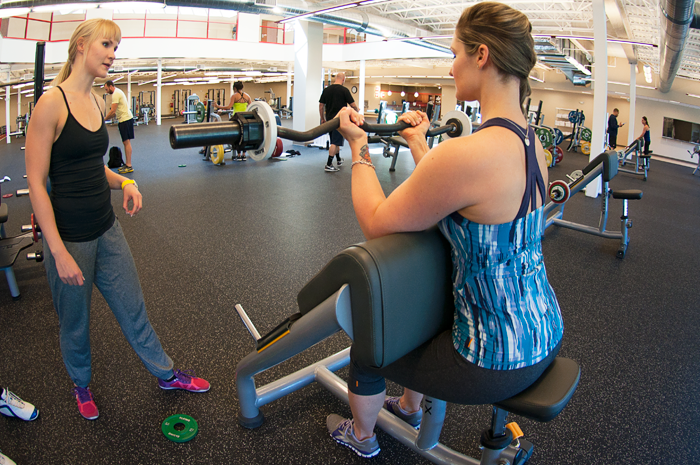

Getting the ideal workout nutrition will help you get the most the hard work you do in the gym. Common pitfalls to getting the training results you desire include the following: not getting enough protein, not getting the right kind of protein, getting too many carbs, drinking the wrong things—sports drinks, chocolate milk, energy drinks, coffee, or taking protein tainted with chemicals or high-fructose corn syrup.
Recent research reveals optimal post-workout nutrition needs. First, you must plan nutrition based on your goal. For muscle and strength development, you want to take high-quality, pure whey protein in a dose of at least 20 grams. Avoid whey protein that has added sugar, chemical sweeteners like aspartame, dyes, or artificial flavorings. Now, at least 10 grams of your whey protein needs to come from essential amino acids (EAAs), of which 40 percent or 4 grams should be from one specific EAA called leucine.
Over and over again studies show that the greatest muscle growth and strength development comes when the right dose of leucine is provided to the muscles. Leucine kickstarts the pathway in the body by which protein synthesis occurs, which leads to overall muscle development. Leucine is needed for athletes of all ages to experience protein synthesis, however, a larger amount—that 40 percent dose—is needed to kickstart the protein synthesis pathway in people over 50. The research on leucine is just becoming clear, so whatever age you are, you might as well take whey protein with at least 4 grams of leucine daily to be safe.
Whey protein is superior for other reasons as well. Aside from providing the highest leucine content, it also has more total EAAs than other protein sources such as soy and casein. For example, whey has been shown to be 122 percent more effective than casein and 31 percent more effective than soy protein at stimulating protein synthesis post-workout.
Although you might think soy is a good option post-workout since it is typically cheaper than whey, this is not the case since the vast majority of soy protein comes from genetically modified soy. Plus, as most readers know, soy contains phytoestrogens that can mimic estrogen in the body, which is contradictory to the goals of post-workout nutrition.
Second, if your goal is fat loss in addition to muscle building, it’s generally best to avoid taking carbohydrates post-workout. For endurance athletes, or for athletes who do a very large, intense volume of training, carb supplementation may be beneficial to replace muscle glycogen, which is a stored energy source in the body.
A common misconception in workout recovery nutrition is that carbs must always be taken with protein to achieve optimal protein synthesis, but this is not necessarily the case. The reason people think this is that you need to get the body to release the hormone insulin in order for optimal protein synthesis to occur. But, whey protein elicits a large insulin release, so if body composition is your main goal and you take whey protein, you should be all set.
Third, although milk and chocolate milk have been suggested as ideal protein sources, they are both extremely allergenic. If they aren’t organic, they may contain growth hormones and other growth factors that you need to avoid. Whey, which actually comes from milk, is preferred because it is closer in nature to human milk, which in the early stage of lactation is 90 percent whey. This similarity is a primary reason that whey is preferred over cow milk, of which only about 20 percent of the protein content is from whey.
Finally, be sure to avoid drinking coffee, energy drinks, or anything with caffeine immediately post-workout because this can inhibit recovery. Research suggests caffeine elevates cortisol, the stress hormone, that you want to help clear as quickly as possible. Try taking 2 to 10 grams of vitamin C to aid in the clearance of cortisol.
Also, stay away from sports drinks because they contain sugar or high-fructose corn syrup. If you do want to take carbs post-workout to replenish glycogen, choose a high-quality malto-dextrin mix.
References
Hulmi, J., et al. Effect of Protein/Essential Amino Acids and Resistance Training on Skeletal Muscle Hypertrophy. Nutrition and Metabolism. 2010. 7(51).
Copyright ©2013