

Blog

Poliquin Live

Tip 450: Get the Best Physique & Boost Performance By Strength Training—Avoid Endurance Exercise

Monday, October 08, 2012 6:12 AM
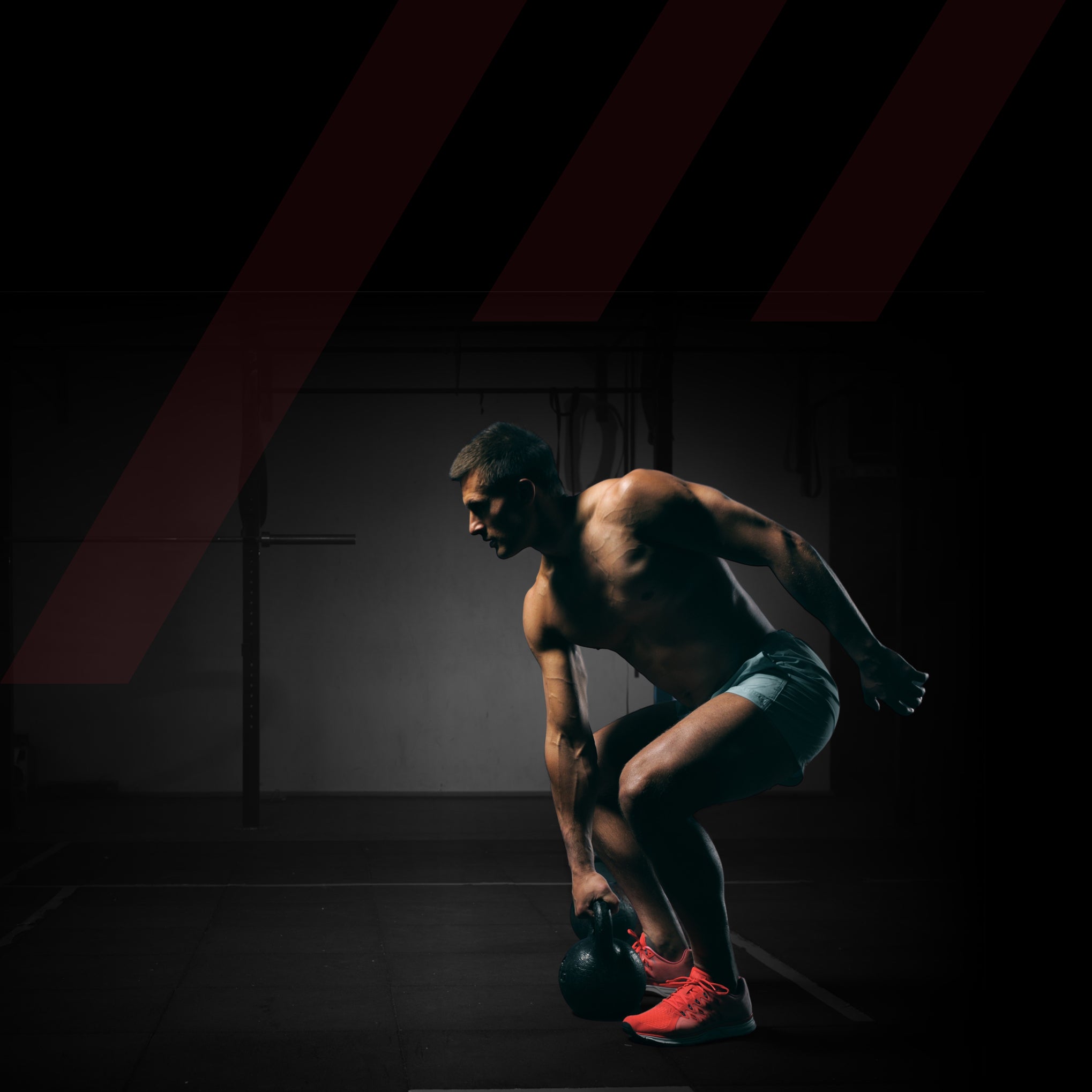
Get the best physique and improve sports performance by strength training. Unless you are an endurance athlete, endurance training will only compromise your strength and performance. 
 
A new study in the Journal of Strength and Conditioning Research explores the influence of hormones on muscle fiber content in strength/power and endurance athletes. An untrained group was also tested. The results remind us that anaerobic training is the best exercise for both the general population and most sports athletes because it increases the strength of the powerful type II muscle fibers.
  
Researchers recorded free testosterone, cortisol, and muscle fiber type content in the three groups of men. As expected, results showed that the power athletes had a much greater percentage (70 percent) of powerful type II fibers than the endurance athletes (37.5 percent), while the untrained men scored closer to the power athletes with 61 percent fast-twitch fibers. 
 
The power group’s free testosterone levels were slightly higher (10 percent) than both other groups) but this was not statistically significant. In addition, a better testosterone to cortisol ratio correlated with greater type II fiber composition in both the power athletes and the untrained group. A more favorable testosterone to cortisol ratio indicates a more anabolic environment that is ideal for muscle growth and tissue repair. The less favorable ratio experienced by the aerobic athletes indicates a more catabolic state that leads to muscle loss. 
 
What is interesting is that the researchers in this study think it’s possible that the more favorable testosterone to cortisol ratio of the untrained group and the strength/power athletes encourages a fiber type shift from type I to type II fibers. We know that muscle fibers can shift within the fast- or slow-twitch subtypes (from IIX to IIA, for example), but the research group thinks hormone response to training may actually cause transitions between the fiber types.  
 
In animals, there’s evidence testosterone influences muscle fiber type transitions from type I to type II muscle. For example, female guinea pigs given testosterone had a shift to a greater percentage of type II fibers, and there is evidence of a substantial increase in type II fibers from adolescence to adulthood in males due to the increase in testosterone. 
 
It’s possible that testosterone exerts the most significant effect on tissue when there is a marked increase, as in during maturation, due to starting a strength training program, or from a change in diet that aids in testosterone production. For example, the study authors suggest that if an endurance athlete were to strength train,  it’s possible they would experience an increase in testosterone and a small fiber type shift to more type II fibers.  
 
Type II fibers do more than allow you to pick of heavy weights and move explosively. Research suggests that type II fibers require a greater metabolic cost, whereas type I fibers are more energy efficient, leading to a slightly slower metabolism. For example, mice that had been genetically “reprogrammed” to build the type II fibers did not gain weight on a high-fat, high-energy diet compared to normal mice that got fat. 
 
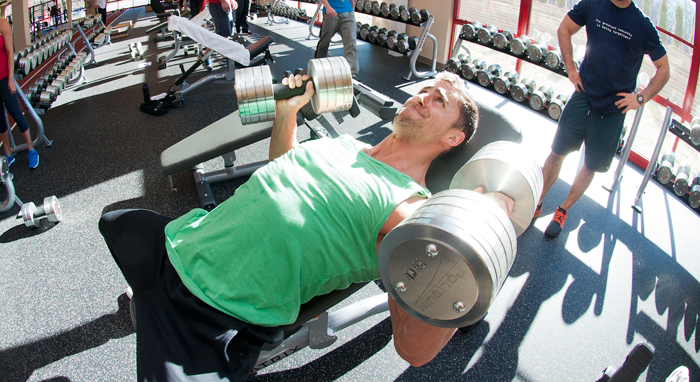
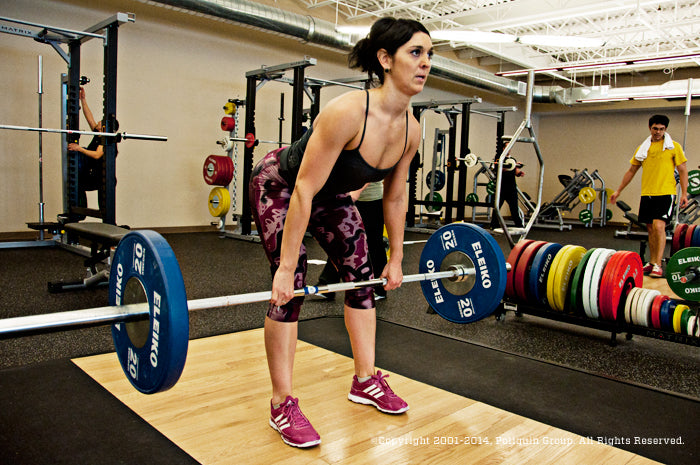
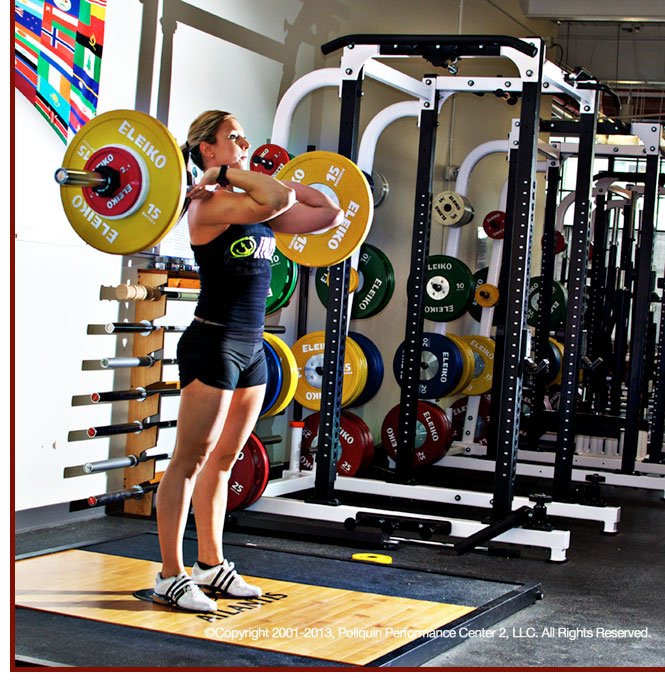
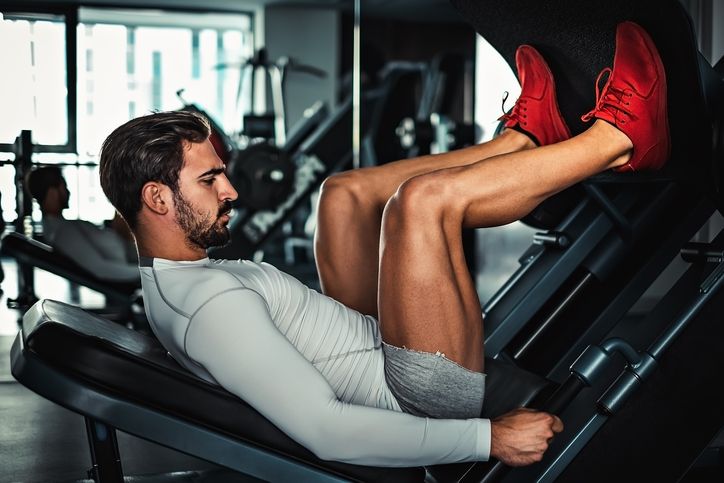
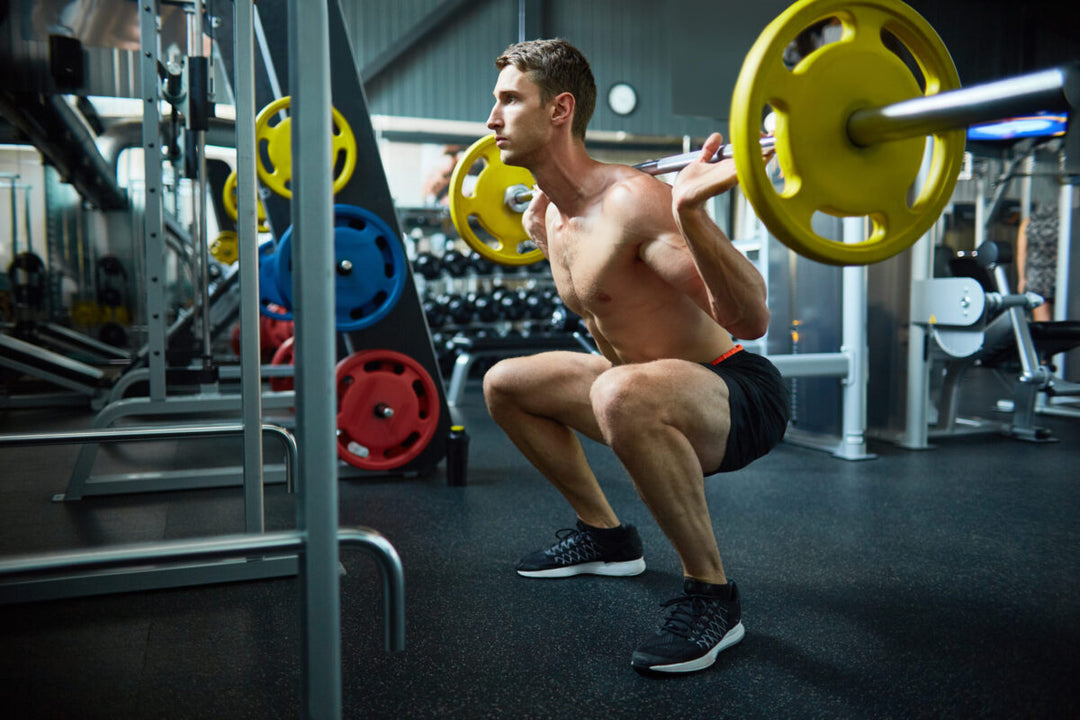
The take away is that for the best physique and performance,  building muscle with explosive and high force exercises is a must. You should strength train and periodize your training in order to continually overload the body with the goal of boosting testosterone. In addition, prioritize recovery and the quick clearance of cortisol post-workout for the best results.
 
Reference
Grandys, M., Majerczak, J., et al. Skeletal Muscle Myosin Heavy Chain Isoform Content in Relation to Gonadal Hormones and Anabolic-Catabolic Balance in Trained and Untrained Men. Journal of Strength and Conditioning Research. 2012. Published Ahead of Print. 

Copyright ©2012

Join Our Email List Follow us on Twitter Follow us on Facebook Follow us on YouTube Follow us on Flickr Follow us on Instagram