

Blog

Poliquin Live

Tip 429: Eat More Fruits & Vegetables To Lose Belly Fat and Prevent Disease

Friday, September 07, 2012 5:58 AM
Raise your antioxidant status by eating more fruits and vegetables to lose visceral belly fat and prevent disease. Diets higher in fruits and vegetables have been shown to prevent heart disease, stroke, diabetes, visceral fat gain, and other metabolic syndrome factors because they increase the body’s natural antioxidant levels.

Two new studies that gathered dietary information from adults and adolescents in the U.S. found that those who had higher blood antioxidant levels had better body composition, better insulin health, much less inflammation, and lower cholesterol. The studies included 4,248 adolescents and 9,099 adults. Participants with lower blood antioxidant status had more chance of being overweight and having metabolic syndrome. Levels of vitamin C and carotenoids—the best source of both is fruits and vegetables—were inversely associated with insulin resistance, C-reactive protein (an inflammatory marker), and visceral belly fat levels.

Both studies controlled for factors such as smoking, physical activity, and alcohol intake, and overall, 32 percent of men, 7 percent of boys, 29 percent of women, and 3 percent of girls had metabolic syndrome (abdominal obesity, elevated blood pressure, insulin resistance, and inflammation). It’s reasonable to assume that the men and boys had higher rates of metabolic syndrome and greater visceral belly fat because they ate fewer fruits and vegetables, which translated into lower blood antioxidant levels. Previous studies show that men tend to eat much fewer fruits and vegetables a day than women. In fact one survey of men and women in Spain and Brazil found that men ate an average of two servings a day and women ate an average of seven servings a day.

Researchers note that randomized controlled studies that have given antioxidant supplements to participants haven’t shown improvements in metabolic syndrome markers, but that is because these studies have provided one or two isolated nutrients such as vitamin E, beta carotene, or vitamin C as the antioxidant supplement, rather than providing whole fruits and vegetables. A diverse intake of fruits and vegetables that are high in antioxidants provide a more complete “package” of nutrients and fiber.

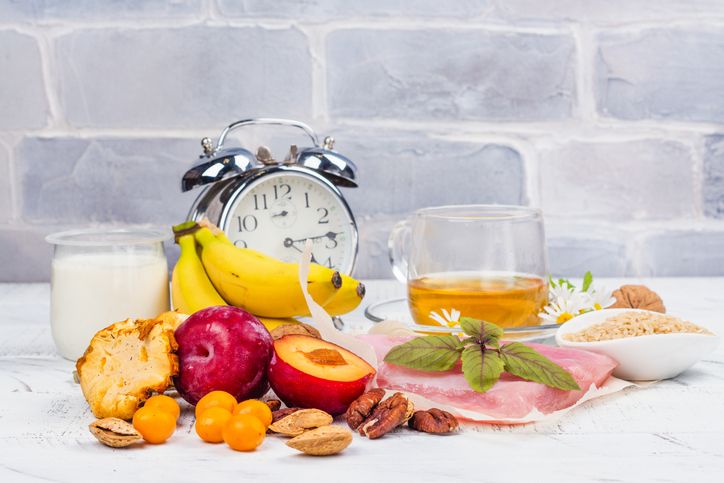
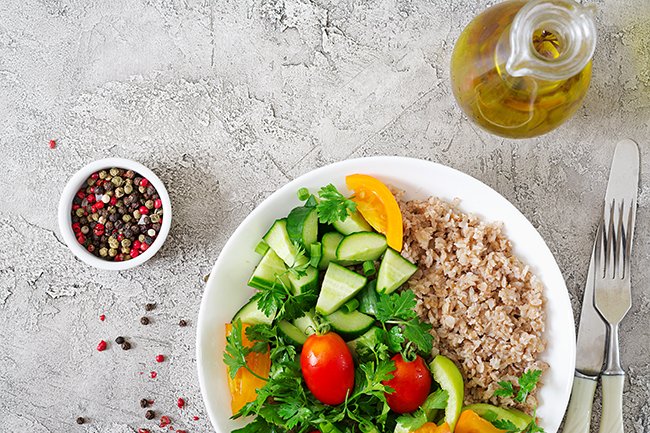
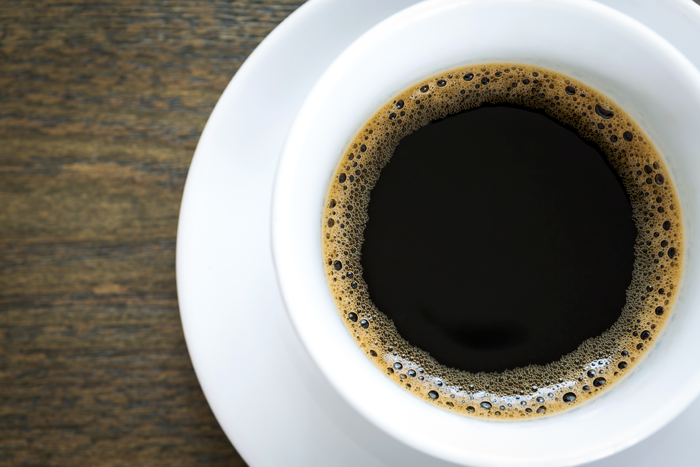
Plus, there are a number of different antioxidants available from plant foods and some are much more effective at enhancing the body’s internal antioxidant system. For example, raspberries contain a large amount of a rare type of antioxidant called ellagitannins that have been shown to improve wound healing, fight inflammation, and support the production of glutathione—the antioxidant that the body produces internally. Olive oil, another antioxidant-rich food, is high in carotenoids, phenols, and sterols, while strawberries provide anthocyanins, quercetin, and vitamin C. Coffee is packed with chlorogenic acid and green tea provides catechins. All of these are antioxidants. 

Take away the knowledge that to raise the body’s antioxidant defenses, lose belly fat, and prevent disease you want to eat an abundance of fruits and vegetables. Include the antioxidant-rich foods listed above in addition to leafy green vegetables, tomatoes, blue and purple berries, kiwi, chocolate, garlic, green beans, beets, and cauliflower in your diet.

To read more about how antioxidants function in the body, read Do Antioxidants Work? (http://www.charlespoliquin.com/ArticlesMultimedia/Articles/Article/838/Do_Antioxidants_Work.aspx )

References
Beydoun, M., Canas, J., et al. Serum Antioxidant Concentrations and Metabolic Syndrome Are Associated Among U.S. Adolescents in Recent National Surveys. The Journal of Nutrition. 2012. 142, 1693-1704.

Beydoun, M., Shroff, M. et al. Serum Antioxidant  Status is Associated with Metabolic Syndrome Among U.S. Adults in Recent National Surveys. The Journal of Nutrition. 2011. 141, 903-913.
 

Copyright ©2012

Join Our Email List Follow us on Twitter Follow us on Facebook Follow us on YouTube Follow us on Flickr Follow us on Instagram