




Blog

Poliquin Live

Tip 406: Eat A High-Protein, Low-Carb Breakfast for Weight Loss: Lifestyle Tips for A Better Body Composition

Friday, August 03, 2012 6:04 AM
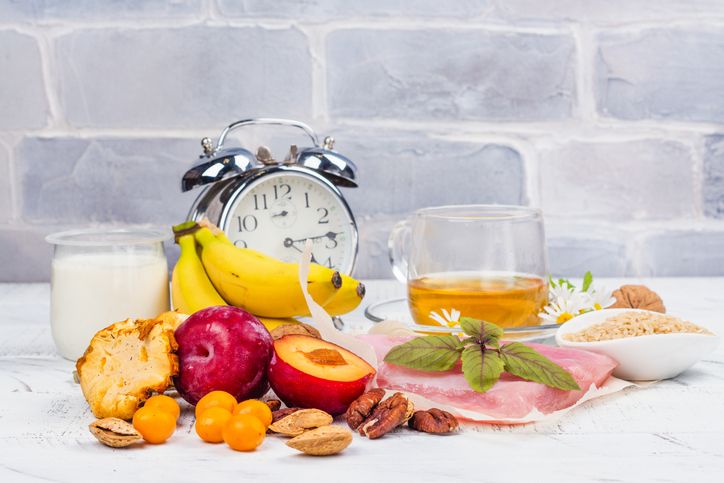
Eat a high-protein, low-carb breakfast that includes veggies or fruit to lose weight and feel good. The Poliquin Meat and Nut Breakfast is one lifestyle strategy that will help you achieve the best body composition, and two new studies point to additional tips that will help you get lean and feel better.

A study in the Archives of Internal Medicine found that college students who skipped breakfast and ate their first meal at lunch consumed significantly more high-calorie, high-carb foods than students who had eaten breakfast. The students started their meals with high-carb foods 75 percent of the time if they had skipped breakfast compared to only 44 percent of the time if they had eaten breakfast. More importantly, if they started eating a high-carb food first (dinner rolls or French fries), they consumed nearly 50 percent more calories of that type of food.

 In fact, the food that all participants (those who ate breakfast and those who skipped breakfast) ate first at lunch ended up being the food they ate the most of, meaning that those who started with vegetables ate more veggies overall, which translated into fewer calories and a lower glycemic response. Protein would have the same low-glycemic benefit, but it will provide more calories than veggies.

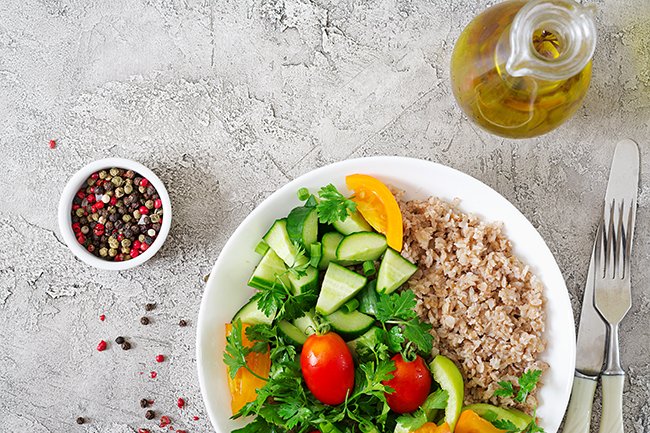
The lifestyle take away from this is that to lose fat and feel better, you should always eat a high-protein, low-carb breakfast, and always start your meal by eating low-glycemic vegetables. For best results, completely avoid high-glycemic carbs, but at the very least, don’t take a bite of a high-glycemic carb such as bread or French fries until you’ve already eaten some vegetables and some protein.

A second new study identified the lifestyle behaviors that are most effective at producing weight loss in women during a 12-month study. Results showed that the following practices were most effective:
•    Women who combined diet modification with exercise lost more weight (11.6 percent of body weight) than those who modified their diets (9.6 percent loss of body weight).
•    Women who did food journals lost 6 pounds more than those who did not.
•    Women who didn’t skip meals lost 8 pounds more than those who did skip meals. Breakfast was the most often skipped meal.
•    Women who ate out less often (less than once a week) lost 5 pounds more than those who ate out at least once a week.

The strategies of doing a food journal, eating breakfast and not skipping meals, and not eating out were all much more effective than the most commonly used strategy of trying to restrict calories. Those three strategies were also much more effective than restricting fat, regular fasting, or regularly weighing oneself.

The lifestyle take away from this is that aside from always eating a high-protein, low-carb breakfast (think Poliquin Meat and Nut Breakfast!), you should consider doing a food journal to keep track of and face up to what you are actually eating.

You have complete control over what you put in your mouth and a food journal is a way to take that control. Obviously, avoid eating out as much as possible since you have much less control over how food is prepared even if there are adequate high-protein, low-carb options.

References:
Kong, A., Beresford, S., et al. Self-Monitoring and Eating-Related Behaviors Are Associated with 12-Month Weight Loss in Postmenopausal Overweight-to-Obese Women. Journal of the Academy of Nutrition and Dietetics. 2012. Published Ahead of Print.

Wansink, B., Tal, A., et al. First Foods Most: After 18-Hour Fast, People Drawn to Starches First and Vegetables Last. Archives of Internal Medicine. 2012. 172(12), 961-963.
 

Copyright ©2012

Join Our Email List Follow us on Twitter Follow us on Facebook Follow us on YouTube Follow us on Flickr Follow us on Instagram