
Blog

Poliquin Live

Tip 404: Tips to Speed Recovery and Support Fat Loss and Adaptation from Training

Wednesday, August 01, 2012 6:04 AM
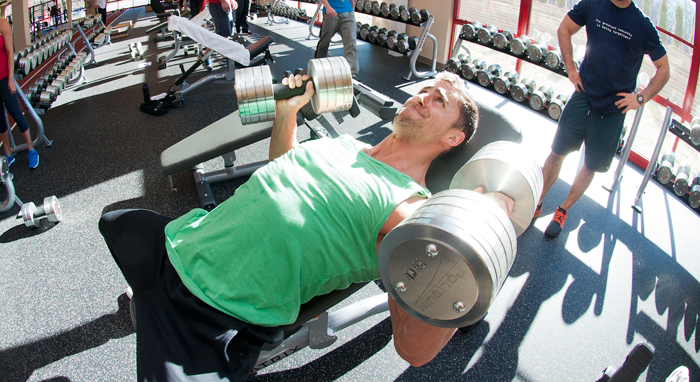
Speed your body’s recovery from hard training in order to accelerate fat loss and get better results. New research in the journal Medicine and Science in Sports and Exercise found that individuals with a higher body fat percentage will experience a greater inflammatory response from resistance training than those with less body fat, which will inhibit recovery and adaptation.

Luckily, there are a few strategies that can be used to speed recovery and support fat loss and adaptations, even for individuals with excess body fat. First, let’s look at the results of this study that used untrained young men who were classified as either normal weight or overweight. Inflammatory response was measured after they performed 3 sets of 15 maximal eccentric contractions of the biceps curl. Results showed that the overweight men produced more TNFR and IL-6 (both are inflammatory biomarkers) after the workout than the normal weight men.

TNFR promotes fat gain by decreasing thermogenesis and lowering the body’s metabolic rate. IL-6 is an oxidative stress biomarker that contributes to the development of heart disease.

The greater inflammatory response to training in the overweight men means that muscle recovery will take longer, protein synthesis will be blunted, and fat loss will be minimized. Researchers suggest that this acute inflammatory response from training can produce a shift toward a persistent pro-inflammatory state, which in the long-term, is linked to neurodegeneration, cancer, heart disease, obesity, and diabetes.

Even normal weight individuals or those with very low body fat need to support recovery from hard training because any training that is intense enough to cause muscle damage will produce inflammation. A few things you can do to speed recovery include the following:

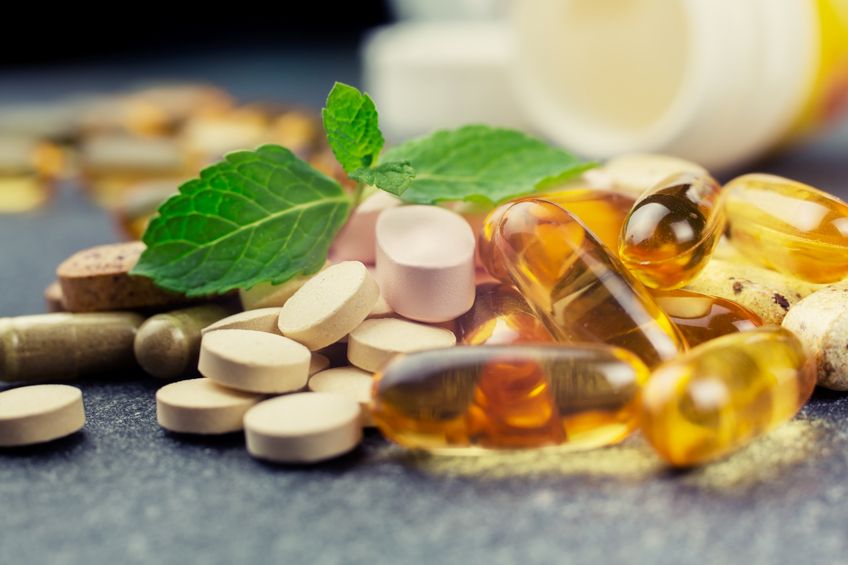
1)    Boost your antioxidant levels by taking vitamin C and E before training. Research shows that long-term supplementation with 3000 mg/day of vitamin C and 1,000 IUs/day of vitamin E can decrease the inflammatory response from eccentric training.
 
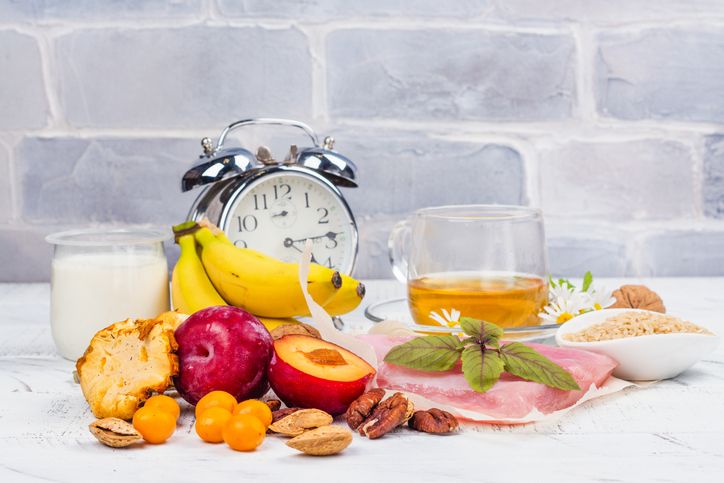
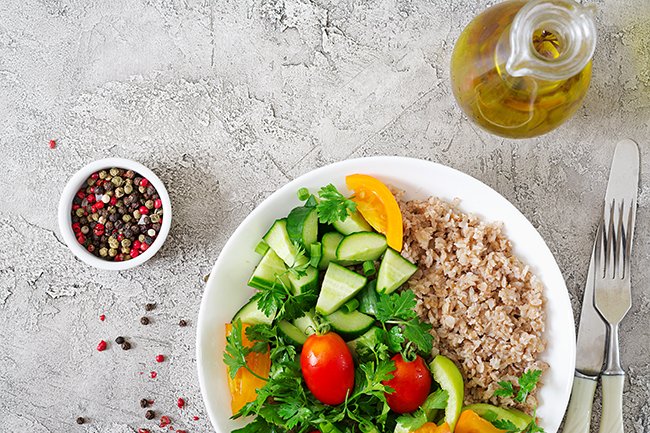
2)    Don’t rely strictly on vitamin antioxidants. Eat antioxidant-rich foods at every meal to ensure you are getting a consistent protective dose of nutrients that help eradicate inflammation. For example, research shows that adding a serving of blueberries, tart cherries, or red raspberries to a high-protein breakfast will shift the acute environment in the body to one that is anti-inflammatory.

3)    Other antioxidant-rich foods you should include in your diet are dark leafy green vegetables, artichokes, beans,  walnuts, pecans, olive oil, dark chocolate, and many spices such as turmeric and cinnamon.

4)    Supplement with protein before and after training. Research shows that by taking a protein supplement that is high in the amino acid leucine will decrease the inflammatory resonse to eccentric training, and help speed recovery and restore protein synthesis. Whey protein is highest in leucine but pea or rice protein can be used as well. Get added leucine by taking an essential amino acid supplement.

5)    Take branched-chain amino acids (BCAAs) with training. BCAAs include leucine, isoleucine, and valine and they have been shown to minimize muscle damage from exercise and accelerate recovery. Obviously, since they are so high in leucine, they are especially effective for protecting against inflammation. Plus, HMB, a metabolite of leucine, has been shown to maintain the structural component within muscle cell membranes, which leads to less protein degradation.

6)    Use massage, active release technique, and other recovery therapies to minimize the post-workout inflammatory response. Although research indicates therapeutic methods may not be as effective as eating antioxidant-rich foods and getting adequate protein and BCAAS, massage and other recovery methods can help minimize the inflammatory response and provide stress reduction to support fat loss and adaptation.

To read more about how blueberries can help you recover, check out the tip Eat Blueberries to Recover Faster from Hard Training.
 
References
Howatson, G., Someren, K. The Prevention and Treatment of Exercise-Induced Muscle Damage. Sports Medicine. 2008. 38(60, 483-503.

Miles, M., Andring, J., et al. Basal, Circadian, and Acute Inflammation in Normal Versus Overweight Men. Medicine and Science in Sports and Exercise. June 2012. Published Ahead of Print.


Copyright ©2012

Join Our Email List Follow us on Twitter Follow us on Facebook Follow us on YouTube Follow us on Flickr Follow us on Instagram