Blog

Poliquin Live

Tip 383: Sleep Well For Optimal Performance and Recovery: Tips On When To Train When You’re Tired

Tuesday, July 03, 2012 6:06 AM
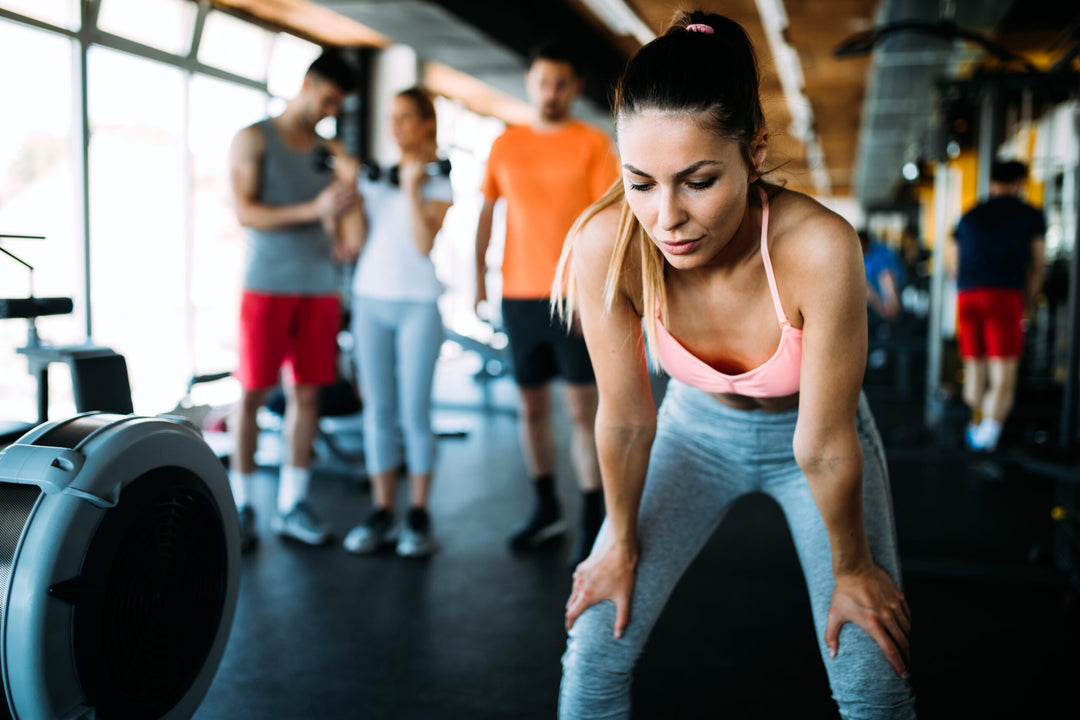
Get enough sleep to perform at your best and speed recovery. It is no surprise that sleep deprivation will hinder performance and delay recovery, but a new study in the European Journal of Applied Physiology shows that the effect is much greater in the afternoon.  Additionally, animal studies show that when sleep deprived, intense exercise will lead to an impaired immune system, a much greater inflammatory response, and will accelerate the development of cancerous tumors!

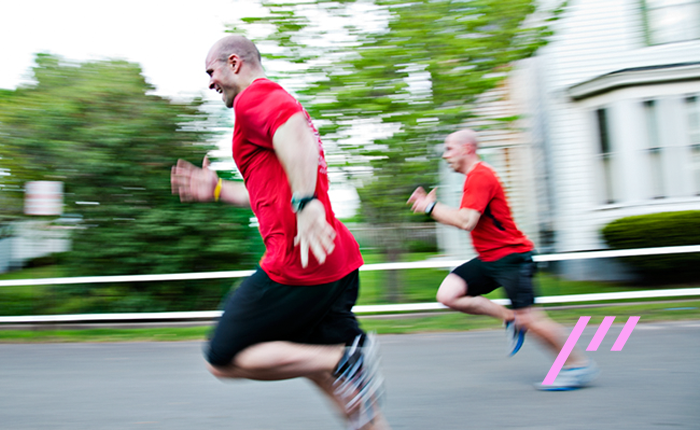
The best solution is to prioritize sleep and always get adequate rest. But, if you must occasionally train or compete with a lack of sleep, try to do so in the morning for better performance. The new study compared the effect of sleep deprivation in trained subjects on maximal sprint performance in the morning or afternoon. Participants were given a normal night’s rest or a short night’s rest of four hours and then performed a Wingate sprint cycle test at either 8 am or 6 pm.

When participants were rested, peak and mean power were greater during the evening test than in the morning. When sleep deprived, peak and mean power were much greater during the morning test than the evening test. In fact, there was no drop in performance in the morning when sleep deprived, indicating that if you get a bad night’s rest, you might as well get up and train, rather than waiting until later in the day. But, if you are well rested, you will likely perform better in the afternoon when core temperature is naturally elevated. Of course, everyone is unique and you may find that you perform best mid-day—the point is to always get adequate rest.

Another finding is that IL-6, an inflammatory factor that is produced by intense exercise was greatest when participants were sleep deprived and performed the test in the evening. IL-6 remained elevated throughout the one-hour recovery period, whereas following the other test scenarios, it was reduced by the end of recovery. Researchers suggest that the extra stress of sleep deprivation leads to abnormal increases in inflammatory response and suppresses the immune system. The effect on the body won’t be lasting unless you are chronically tired or under intense, persistent stress.
For example, a recent study of mice who were genetically predisposed to develop cancer, were forced to perform intense exercise in a sleep-deprived state. Doing so resulted in a significant increase in biomarkers such as IL-6 and the development of cancerous tumors. This didn’t occur in mice that got adequate sleep.

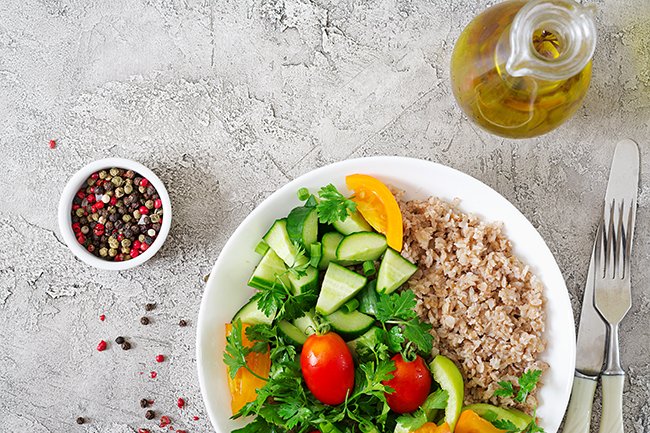
Take away the understanding that for best performance and recovery, you must get adequate rest and minimize stress. If you have to train in the afternoon when exhausted, take a blend of antioxidants such as green vegetables, glutamine, and supplemental amino acids to help you recover from the inflammatory response. Do whatever is necessary to avoid always training in the afternoon in a sleep-deprived state!
 
Reference

Abedelmalek, S., Chtourou, H., et al. Effect of Time of Day and Partial Sleep Deprivation on Plasma Concentrations of IL-6 During a Short-Term Maximal Performance. European Journal of Applied Physiology. 2012. Published Ahead of Print.

Zielinski, M., Davis, J., et al. Influence of Chronic Moderate Sleep Restriction and Exercise on Inflammation and Carcinogenesis in Mice. Brain, Behavior, and Immunity. 2012. 26(4), 672-679.
 

Copyright ©2012

Join Our Email List Follow us on Twitter Follow us on Facebook Follow us on YouTube Follow us on Flickr Follow us on Instagram