
Improve body composition and gain muscle by improving your blood pH. The level of acid in the body is measured by pH on a scale of 0 to 14. A score of 7 is neutral—the pH of water—and a value below 7 is acidic, while above 7 is alkaline. Making your blood more alkaline will not only help you get and stay lean, but it will also ensure better overall health and well being.
Having a healthy pH that is more alkaline is important because without the correct pH blood level, the body’s enzymes can’t function, negatively impacting protein synthesis. Low pH levels are very common and can lead to diminished protein building, a major concern for anyone striving for high energy and a lean physique. This is especially important if you eat a lot of protein because as the body metabolizes animal-based proteins, a large acid load is generated, lowering your body’s pH.
The body attempts to operate at a stable pH, and any dietary acid load has to be neutralized by various mechanisms. For example, glutamine is often pulled from the muscle to neutralize acid, leading to muscle breakdown in the process. Another option is for calcium to neutralize acid. It is theorized that calcium is pulled from bone, leading to bone loss. This is one of the sources of the misconception that high-protein diets will lead to bone loss and osteoporosis.
Extensive evidence actually refutes the high-protein—bone loss connection, showing that eating more animal protein is directly related to greater bone mineral density and stronger bones in children and men and women of all ages. This is probably because higher protein diets provide the amino acids from which bone is maintained, they elevate levels of the hormone IGF-1 that builds bone, and they maintain muscle mass, which is essential for bone health.
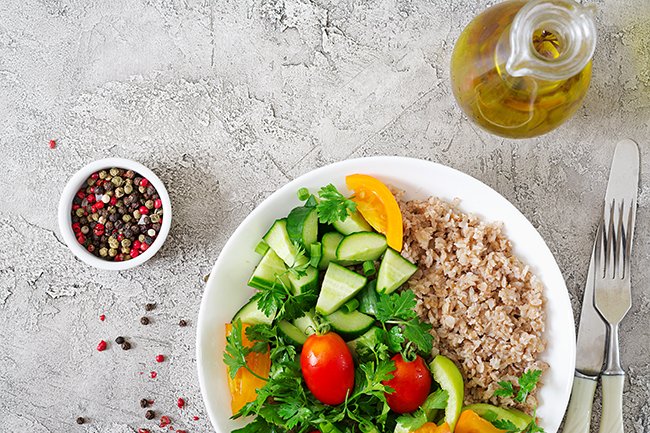
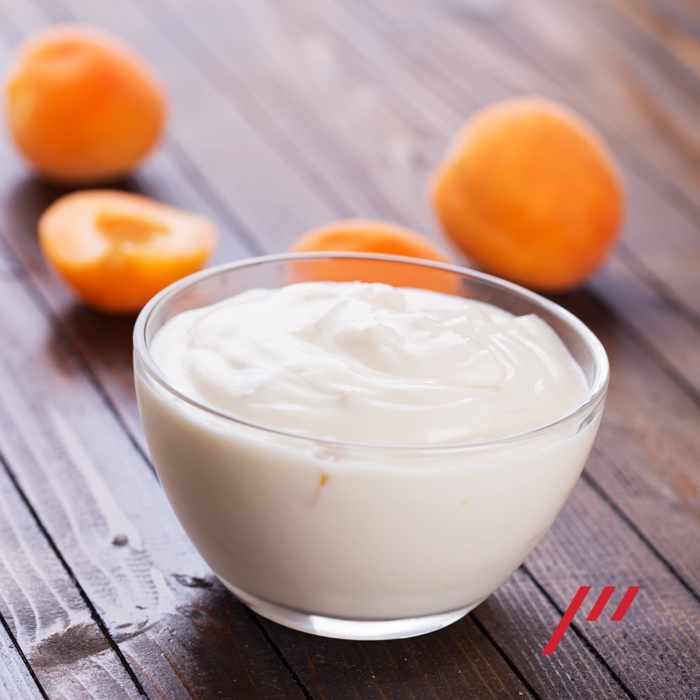
Do understand that an excess acid load is linked to bone loss, it’s just not as simple as equating high dietary protein intake with bone loss. And protein is not the only acid-producing food in the typical western diet. Cheese is extremely acidic, as are dairy products, and most grains. Vegetables and fruits are more alkaline, particularly the green vegetables, pineapple, raisings, grapes, citrus, strawberries, apricots, black currants, kiwis, and cherries.
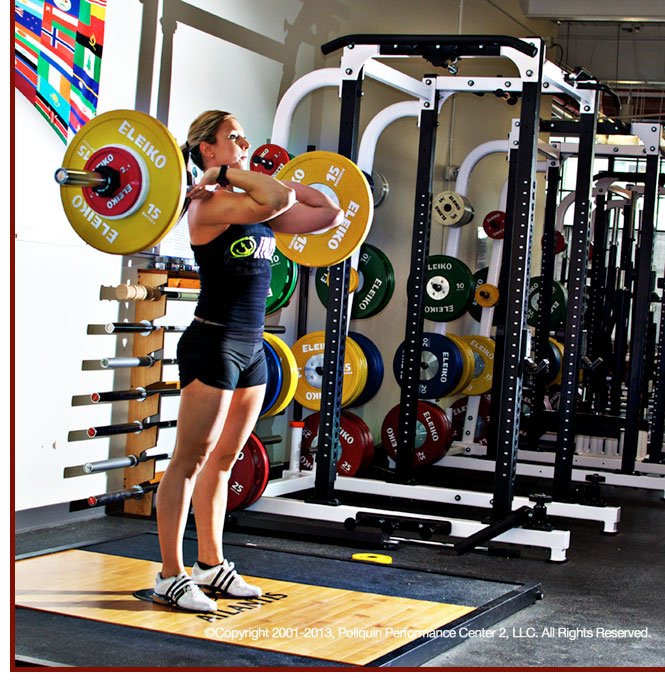
Eat lots of fruits and veggies, and consider taking glutamine to neutralize the acid produced from a high-protein diet so that the body doesn’t take it from the muscle. Strength training has also been shown to improve pH in rats that were fed a high-protein diet from whey. Another method to ensure you are more alkaline than acidic is to always do a cool down and get adequate recover if you have just trained a large volume that produced a lot of lactic acid.
To read more about the misconceptions related to high-protein eating, such as the myth that high-protein diets lead to bone loss, check out the article,
The Myths of High-Protein Diets.
References
Aparicio, V., Nebot, E., et al. Resistance Training Reduces the Metabolic Acidosis and Hepatic and Renal Hypertrophy Caused by the Consumption of a High-Protein Diet in Rats. Nutricion Hospitalaria. 2011. 26(6), 1478-1486.
Welbourne, T., Joshi, S. Enteral Glutamine Spares Endogenous Glutamine in Chronic Acidosis. 1994. 18(3), 243-247.