Blog

Poliquin Live

Tip 369: Lose Fat and Improve Conditioning With A Greater Volume

Wednesday, June 13, 2012 5:59 AM
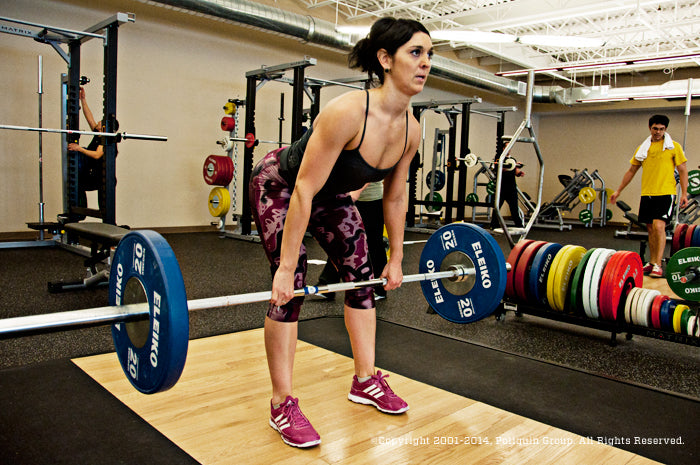
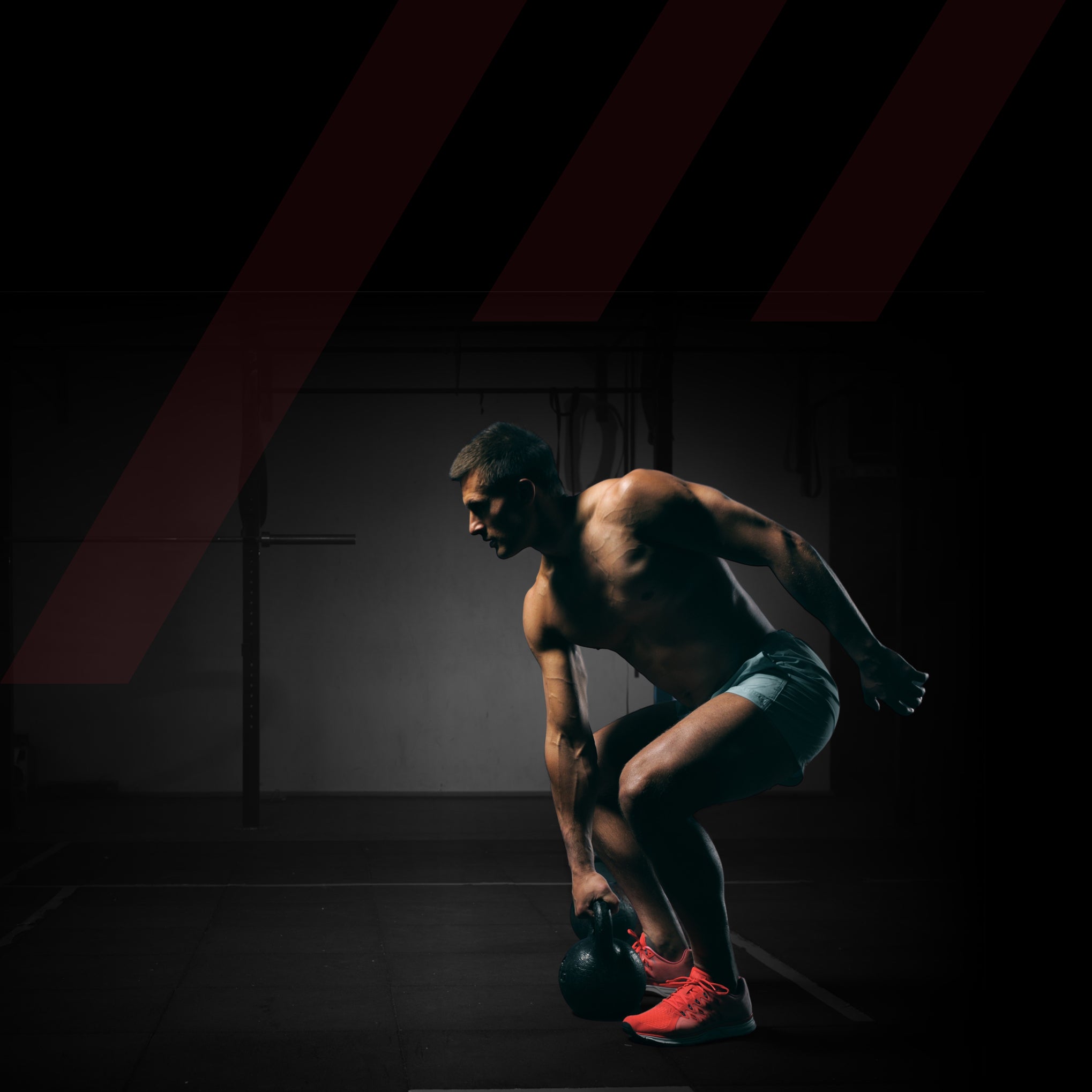
Lose fat and improve conditioning with a greater training volume to increase growth hormone response and raise blood lactate concentrations. Lifting a larger volume, either by performing more total reps or lifting a larger load, is a simple way to produce a higher metabolic response to exercise to help you lose fat and get in shape for anaerobic sports like basketball, football, and even soccer. But, as you increase your volume, you typically produce less power, meaning it’s critical you program your training to meet your goals.

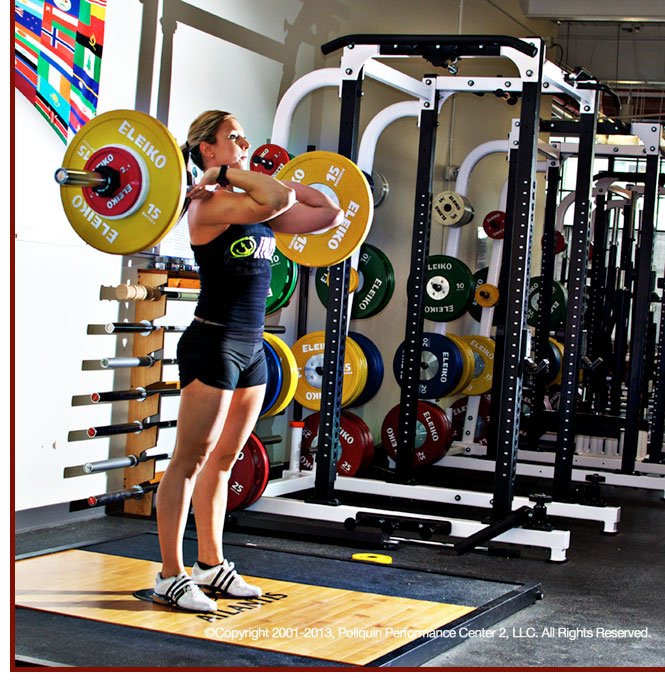
New research in the Journal of Strength of Conditioning Research provides insight into how to program to achieve power versus energy system training goals. Researchers tested the effect of performing three different volumes of the power clean with two minutes rest on blood lactate response: A low volume protocol of 3 sets of 3 reps with a 3RM load, a moderate volume protocol of 3 sets of 6 reps with 85 percent of the 3RM load, and high volume protocol of 3 sets of 9 reps with 75 percent of the 3RM load.

Results showed that the high volume protocol produced much higher blood lactate concentrations than the moderate and low volume protocols. Greater blood lactate buildup indicates the workout was metabolically more taxing and will result in more growth hormone being released. Growth hormone enhances fat burning in the body, indicating the greater metabolic cost of the higher volume workout will be better for fat loss and body composition.

The researchers suggest that using similar high volume training protocols provide a viable method to get athletes in shape for strength and power sports that primarily use the anaerobic energy system. Performing a large volume of explosive lifts will improve the athlete’s ability to tolerate lactate as well as to clear it, thereby improving conditioning.

Another benefit of conditioning with explosive lifts is that they recruit the type II muscle fibers, which are made up of larger motor units that have been shown to have a greater ability to produce lactate. In contrast, if you condition the type I muscle fibers by training the aerobic energy system, you will compromise power output and decrease strength and size of the type II fibers.

Additionally, a variety of studies have shown that aerobic performance can decrease overall athletic performance. For example, a season-long body composition study using female soccer players who were doing endurance training found that body fat percentage increased more than 2.5 percent and body weight decreased, indicating loss of muscle to offset the gain in fat. Less muscle and more fat can only lead to poorer sport performance and compromised power output.

For best results, always train to meet your goals. For athletes, you must identify the energy systems used in competition and train accordingly. For example, a typical college basketball game will require use of the phosphagen system 85 percent of the time and the lactic acid system 15 percent of the time. You don’t need to do any aerobic training, but you do need to ensure that you have trained the body to produce peak power over and over again.

Also, the study mentioned above used the power clean, and although the researchers assure us that technique was maintained throughout all reps of the high volume protocol, the Olympic lifts may not be the best choice for anaerobic system training. Rather, modified strongman training is preferable because there is less room for technique breakdown, especially in athletes who don’t have perfect technique in the Olympic lifts. Anyone can do strongman training if it is programmed and modified appropriately.

Reference
Date, A., Simonson, S., et al. Lactate Response to Different Volume Patterns of Power Clean.Journal of Strength and Conditioning Research. 2012. Published Ahead of Print.
 

Copyright ©2012

Join Our Email List Follow us on Twitter Follow us on Facebook Follow us on YouTube Follow us on Flickr Follow us on Instagram