Blog

Poliquin Live

Tip 368: Take Caffeine to Increase Power and Strength: Get the Optimal Dose

Tuesday, June 12, 2012 6:01 AM
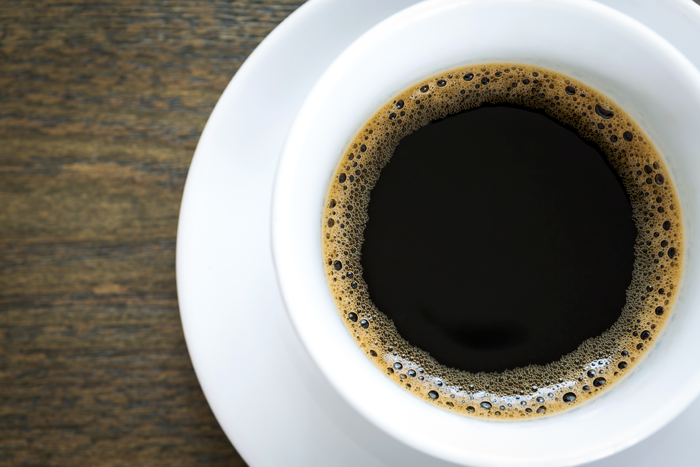
Take the right dose of caffeine to increase power and strength performance.  A new study in The Journal of the International Society of Sports Nutrition found that a dose of caffeine equal to about three cups of coffee can support significant maximal power gains, but one cup won’t do the trick. The catch is that this study used participants who are very light coffee drinkers—getting less than 60 mg of caffeine a day—and many of us may need a larger dose to see a difference.

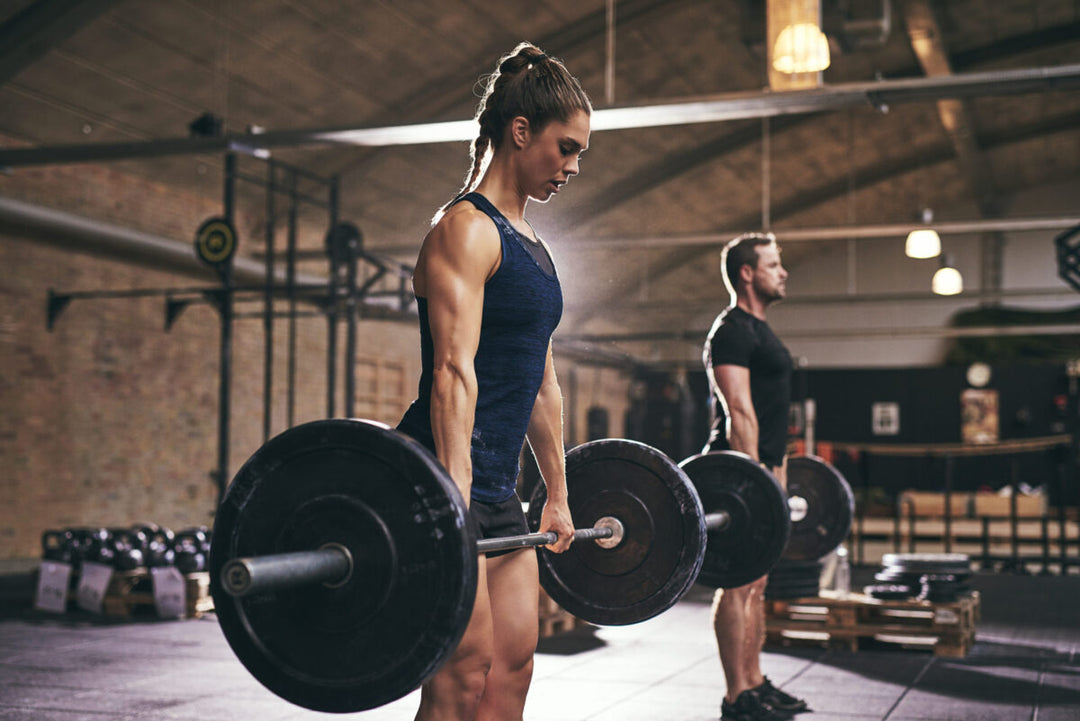
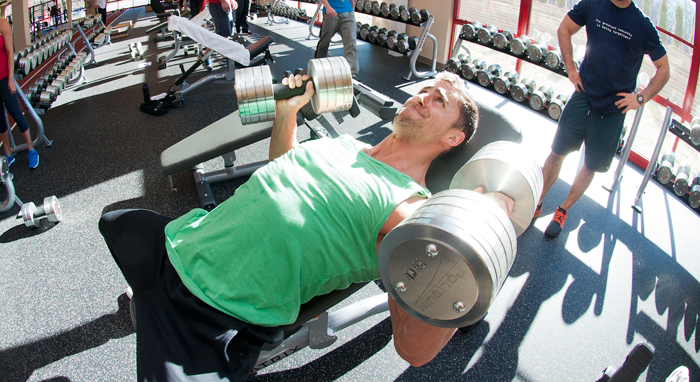
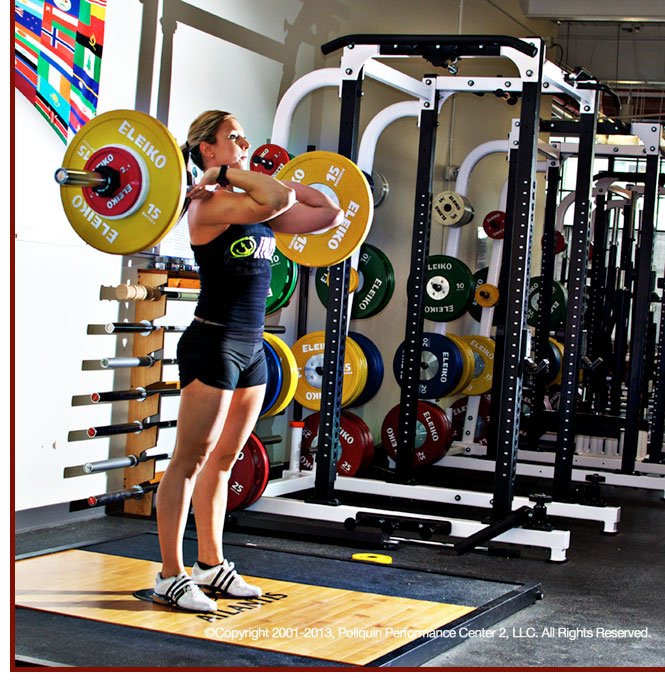
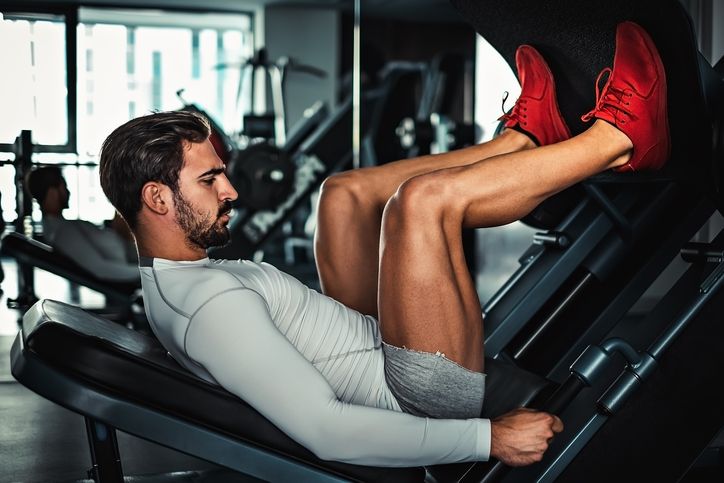
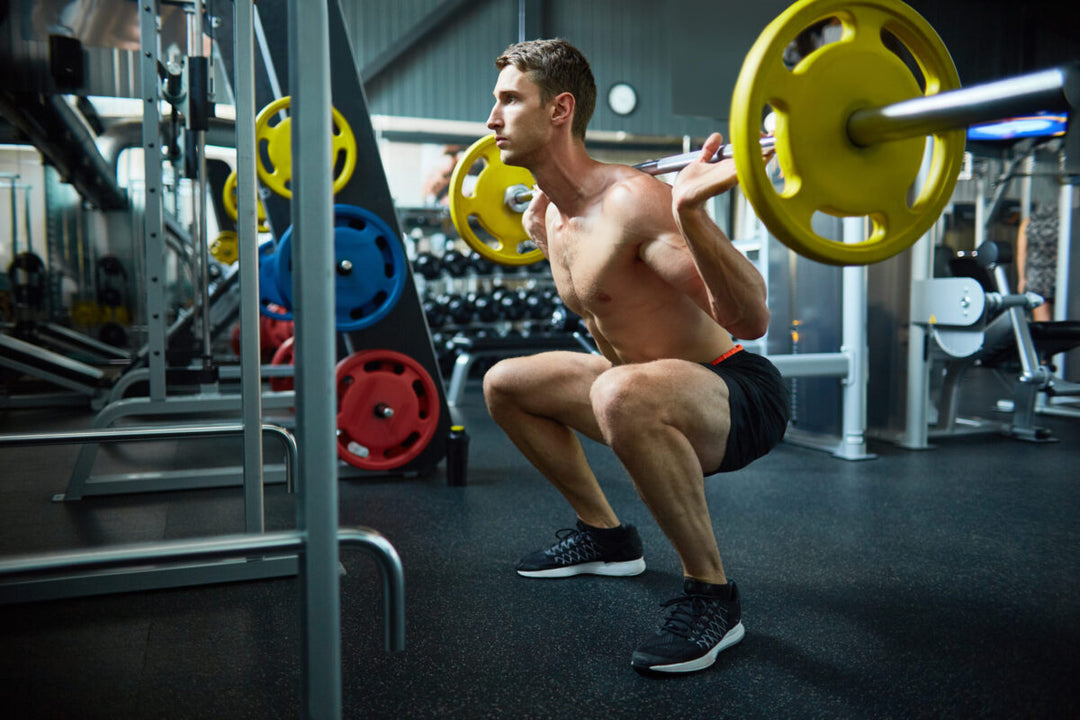
To get the best results, you must identify the optimal dose to suit your goals and tolerance. A bunch of new evidence provides insight into what that may be. Let’s start with that study mentioned above. Two groups of active participants drank either 1 mg or 3 mg per kg of body weight of caffeine and then performed half squat and bench press power tests using a variety of loads ranging from 10 to 100 percent of the 1 RM. For a 70 kg man, those doses would equal 70 mg or 210 mg of caffeine, respectively. For reference, one serving of the energy drink Red Bull contains 80 mg of caffeine and the average 8 ounce coffee contains 90 to 100 mg.

Results in the bench and squat tests found no increase in power output from the 1 mg/kg/bw dose or from a placebo. The larger 3 mg/kg/bw caffeine dose allowed the participants to produce significantly more power (an average of 170 watts more in the squat and 30 watts more in the bench  press) at all loads above 30 percent of the 1 RM.

A second recent study used a much higher dose to test the effect of caffeine on recovery using two high-intensity exhausting exercise trials in one day. This study used trained athletes and had them perform a glycogen-depleting exercise trial to exhaustion. One group drank a placebo, a second drank a carbohydrate drink, and a third took the same carb drink with 8 mg/kg/bw of caffeine. 

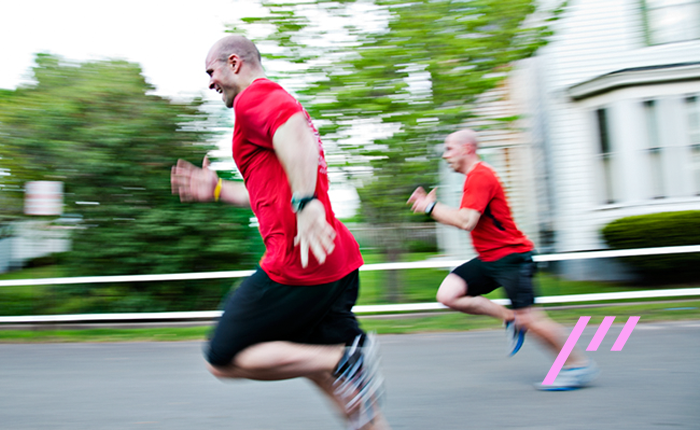
They then rested for four hours and performed a sprint interval test to exhaustion. The group that took the caffeine performed significantly better than both other groups—they went for 48 minutes compared to only 19 minutes by the placebo group and 32 minutes in the group that only drank carbs. That’s a dramatic difference in high-intensity performance by just getting the right caffeine dose.  Researchers suggest the caffeine may improve muscle glycogen resynthesis post-workout

Of course, 8 mg/kg/bw is a much larger dose than was tested in the first study above, equaling 540 mg for a 70 kg man. For comparison, studies that have looked at health benefits from coffee drinking have found lower cancer risk and better endothelial function (indicates better heart health) from between one and four cups of caffeinated coffee a day, equal to about 100 to 400 mg of caffeine daily.

Take away from these studies the understanding that you’ll get best results from caffeine by being precise about your dose rather than by gobbling caffeine pills or ingesting a pot off coffee. At the same time, too little won’t provide any performance benefit.

If you want to get the caffeine boost but are concerned you will be too wired or jittery post-workout, consider taking 2 grams of vitamin C or adding the amino acids tyrosine and phenylalanine (they will support the adrenals to prevent a “crashing feeling”) to your caffeine dose. Vitamin C will help you metabolize the caffeine quickly and may be best if you are training in the evening—take the vitamin C post-workout and the caffeine before.

References
Taylor, C., Higham, D., et al. The Effect of Adding Caffeine to Postexercise Carbohydrate Feeding on Subsequent High-Intensity Interval-Running Capacity Compared with Carbohydrate Alone. International Journal of Sport Nutrition and Exercise Metabolism. 2011. 21(5), 410-416.

Del Coso, J., Salinero, J., et al. Dose Response Effects of a Caffeine-Containing Energy Drink on Muscle Performance: A Repeated Measures Design. The Journal of the International Society of Sports Nutrition. 2012. 9(21).
 

Copyright ©2012

Join Our Email List Follow us on Twitter Follow us on Facebook Follow us on YouTube Follow us on Flickr Follow us on Instagram