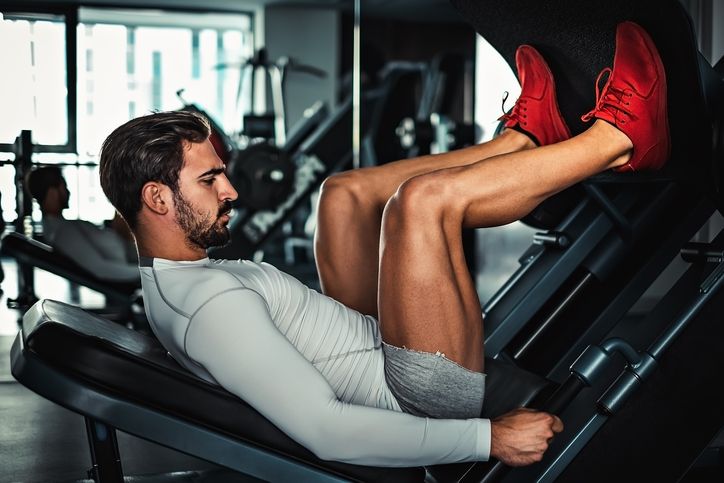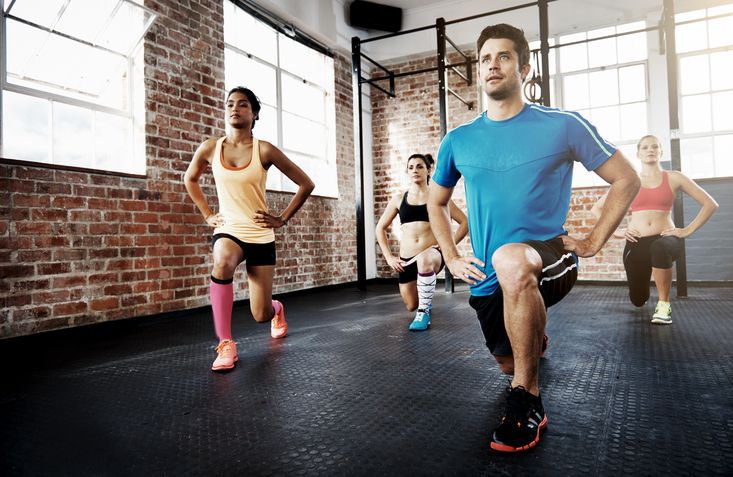





Get stronger and prevent injury by ensuring you always use the best movement patterns for each lift. Poor technique is the most common source of incorrect movement patterns, but fatigue can also alter the way you perform a lift. Incorrect biomechanics can put you or your athletes at risk of injury, compromise strength gains, cause structural imbalances and change soft tissue integrity. To avoid this, program your lifts and energy system training sessions carefully, and be aware of how fatigue will mess with the way you move.
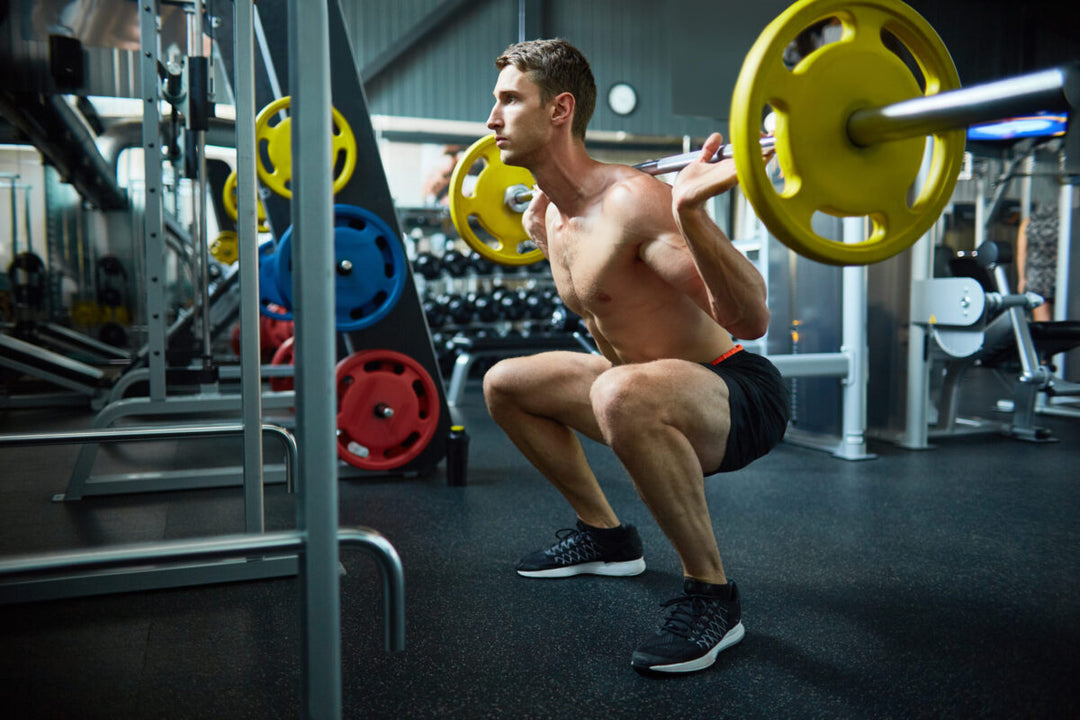
A new study in the Journal of Strength and Conditioning Research tested the effect of a strength protocol that caused fatigue on biomechanics in a body weight squat. Participants were experienced trainees with an average age of 24. Joint biomechanics for the lower body were analyzed using five body weight squats and then participants performed the difficult workout, which included a descending-rep circuit of three lifts using a load of 75 percent of the 1RM. The back squat, bench press, and deadlift were performed consecutively starting with 10 reps for each lift and reducing the number of reps by 1 each circuit until they reached only 1 rep. At the end of the workout, blood lactate levels, rating of perceived exertion (RPE), and biomechanics were assessed using five more body weight squats. Participants were given no instructions on how to perform the body weight squats.
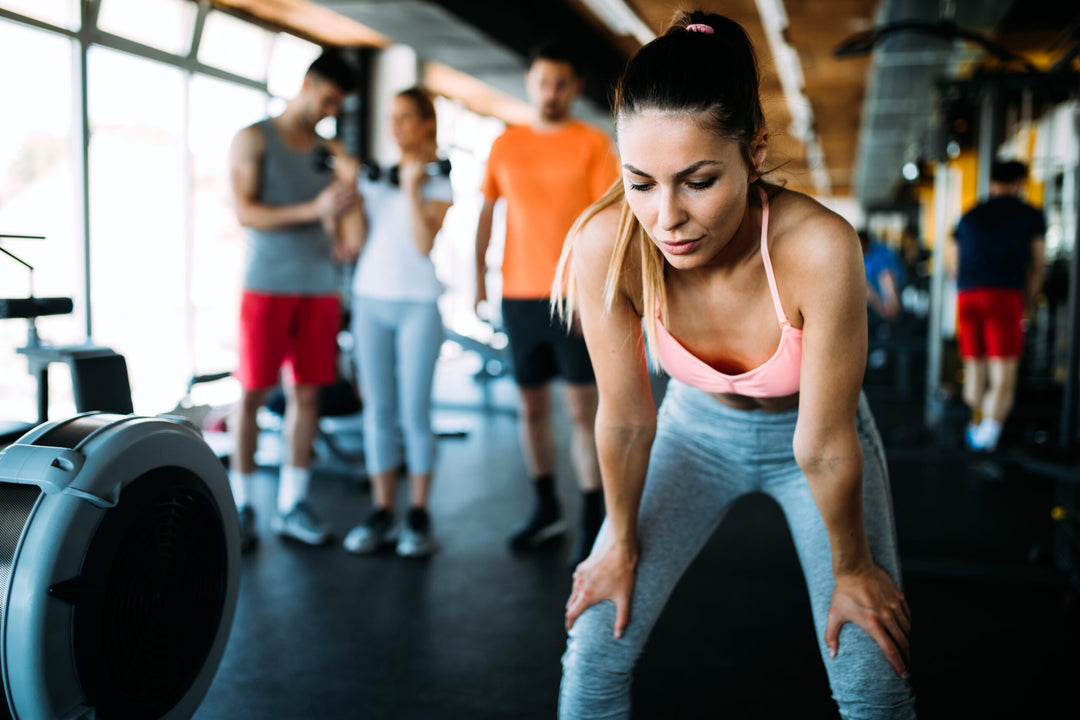
The average RPE after the exercise session was 7.5 on a 10-point scale or very hard. Blood lactate levels was 14.21 mmol, indicating significant physiological stress. Biomechanical results showed a significant difference in the lower body movement patterns after the fatiguing workout. Participants had a substantial decrease in the range of motion for the lower body as measured by less knee and hip flexion. Hip rotation and adduction were altered as well, and participants applied less force when performing the body weight squat in a fatigued state.
Researchers suggest that because participants were fatigued, they recruited the hip adductors to function as hip extensors to eccentrically control the body during the descent of the squat. The hip adductors were also overly engaged at the expense of the hip and knee extensors when producing concentric force to return to neutral.
Changes in movement patterns when fatigued are expected but concerning since participants were only performing five body weight squats without any load. Participants did not go as low in the squat when fatigued (they were only supposed to go to parallel, not into a deep squat), and force and power were also compromised.
When fatigued, watch for greater recruitment of the hip adductors because it commonly contributes to the knees dropping in (knee valgus), which puts you at risk of injury. Females who are already more susceptible to knee valgus motion and have greater risk of injury when jumping or pivoting as seen by the high rates of ACL tears in women and girls. Strength coaches should take care to program plyometrics or cutting drills when athletes are fresh and not fatigued from training or conditioning. They should also educate the sport coach about the need for proper programming so as to avoid injury and get the most out of strength and drill training.
This study didn’t show any change in trunk movement, but previous studies have shown that fatigue will cause individuals to lean farther forward when lifting a box. If athletes were performing weighted squats rather than body weight exercises in a fatigued state, poor trunk stabilization will put them at serious risk for injury as well.
Take away from this study a commitment to always training hard, while maintaining excellent technique. Use RPE to assess fatigue in athletes and determine if biomechanics are likely to be altered. Blood lactate levels can also be tested to assess fatigue and recovery if facilities are available.
When coaching athletes, watch for altered movement patterns, especially when the knee joint or trunk musculature may be compromised. Organize conditioning, lifting, and plyometric sessions so as to avoid putting your athletes at risk when due to extreme fatigue and poor movement. Also, remind athletes of proper movement during training and drills—this study did not include any instructions or cueing.
References:
Hooper, D., Szivak, T., et al. Effects of Resistance Training Fatigue on Joint Biomechanics. Journal of Strength and Conditioning Research. 2012. Published Ahead of Print.